Our Short List of 3


All 3 Picks at a Glance
| Product | Specs | Action |
|---|---|---|
| KATAIS Thermostatic Shower Valve Concealed Mount, Polished Chrome — ASIN B08P17HNN3 | Check price on Amazon | |
| Delta Faucet R10000-UNBX MultiChoice Universal Tub and Shower Valve Body — ASIN B001AI1VMW | Check price on Amazon | |
| HOMEDEC 4-Way Shower Diverter Valve, Concealed Thermostat, Chrome — ASIN B06ZY634FW | Check price on Amazon |
Key takeaways
- Best concealed shower valve systems for new construction bathrooms: compare valve body, outlets, connections, wall depth, and trim before framing closes.
In new construction, the shower valve is installed before the tile goes up. The valve body sits inside the wall, the pipes are connected while the studs are open, and only the trim plate and handles remain visible when the bathroom is finished. A concealed shower valve system is built for that sequence. It hides the working parts, leaves a clean wall surface, and gives the builder a chance to set depth, alignment, and outlet positions exactly.
Concealed does not mean inaccessible. A well-designed concealed valve has a trim plate that can be removed for cartridge service, and the valve body is set at a depth that matches the finished wall. The choices made at framing stage — valve type, number of outlets, connection size, and wall depth — determine how the shower will work for years. Changing them after tile is installed is costly, so the valve decision belongs early in the build. This guide compares published specifications only: valve type, body material, ports and outlets, connection size, working pressure range, temperature control, and trim compatibility.
At a Glance
| Product | Best for | Key specification |
|---|---|---|
| KATAIS Thermostatic Shower Valve | A brass thermostatic valve with a concealed body | Brass body; 3 ports; 3/4-inch NPT inlets; thermostatic control |
| Delta R10000-UNBX | A universal rough-in valve for new construction | Brass body; universal connections; fits Delta trim kits |
| HOMEDEC 4-Way Diverter Valve | A multi-outlet concealed valve with diverter controls | Brass and copper construction; 4 outlets; thermostatic control |
| ECOSPA Concealed Twin Thermostatic Valve | A two-outlet concealed thermostatic valve | Brass and ceramic construction; 2 outlets; 5 bar maximum pressure |
How to Choose
1. Choose the valve type first
A thermostatic valve controls temperature directly and holds a set temperature more closely when supply conditions change. The KATAIS, HOMEDEC, and ECOSPA valves in this guide are thermostatic. A pressure balanced valve reacts to pressure changes and is the common choice for a single shower. A universal rough-in valve, such as the Delta R10000-UNBX, accepts different cartridges, including pressure balanced and thermostatic cartridges, depending on the trim and cartridge chosen. In new construction, a universal rough-in gives flexibility to change trim and cartridge later without changing the valve body.
2. Count outlets before the pipes are run
An outlet is a water path out of the valve to a showerhead, a handheld shower, a body jet, or a tub spout. A single-outlet valve serves one showerhead. A two-outlet valve, such as the ECOSPA twin valve, can serve an overhead shower and a handheld unit. A valve with more outlets, such as the HOMEDEC 4-way valve, can serve several outlets at once or in combination. Count the outlets you plan to install, add one for a future handheld unit if you may want one later, and choose a valve with at least that many outlets. Adding an outlet after tile is installed requires opening the wall.
3. Confirm connection size and type
Connection size determines which pipes and fittings the plumber needs. The KATAIS valve lists 3/4-inch NPT inlets. The HOMEDEC valve lists 3/4-inch inlets and 1/2-inch outlets in its published description. The Delta R10000-UNBX lists universal connections for copper, iron pipe, PEX, and CPVC, depending on the adapter used. Confirm the connection type with the plumber and with the pipe material planned for the house, and confirm that the valve body fits between the studs at the planned depth.
4. Set the wall depth and the plaster guard correctly
Every concealed valve has a depth range for the finished wall. The plaster guard, a plastic or metal guide supplied with the valve, shows the correct depth and the cut line for the tile. If the valve is set too deep, the trim will not reach the cartridge. If it is set too shallow, the trim plate will stand proud of the tile. The plumber should set the valve after the backer board thickness is known and before tile is installed, and the tile installer should check the plaster guard before cutting the opening.
5. Check body material and service access
Brass is the standard body material for concealed valves in this guide. Brass resists corrosion, holds threads well, and supports a long service life inside a wall. The KATAIS valve lists a brass body, the HOMEDEC valve lists brass and copper construction, and the ECOSPA valve lists brass and ceramic construction. Service access matters as well: the cartridge should be reachable through the trim opening without removing tile. Confirm that the trim plate can be removed and that the cartridge can be pulled from the front of the valve.
Our Picks
KATAIS Thermostatic Shower Valve Concealed Mount, Polished Chrome — ASIN B08P17HNN3
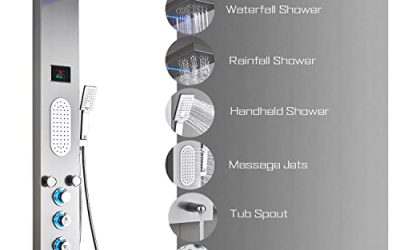
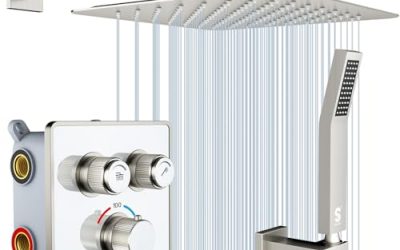
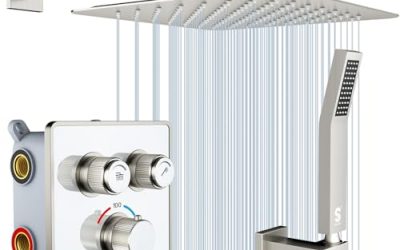
This concealed-mount valve has a brass body and a polished chrome finish. Published specifications list 3 ports, 3/4-inch NPT inlet connections, and a thermostatic valve type with an anti-scald device. Best for a new construction bathroom where the builder wants a brass thermostatic valve body hidden in the wall with a polished chrome trim. Consideration: confirm which showerhead, handheld unit, and outlets are included, and set the valve depth to the finished wall thickness before tile is installed.
Delta Faucet R10000-UNBX MultiChoice Universal Tub and Shower Valve Body — ASIN B001AI1VMW
This universal rough-in valve body is for tub and shower installations. Its published description lists a brass body, a black mounting bracket, and universal connections that accept copper, iron pipe, PEX, and CPVC adapters. The MultiChoice platform accepts single-function pressure balanced, dual-function pressure balanced, and dual-function thermostatic cartridges, depending on the trim and cartridge chosen. Best for new construction where the builder wants one rough-in valve that can accept many Delta trim styles later without changing the plumbing in the wall. Consideration: this is a valve body only, so the trim kit and cartridge must be ordered separately.
HOMEDEC 4-Way Shower Diverter Valve, Concealed Thermostat, Chrome — ASIN B06ZY634FW
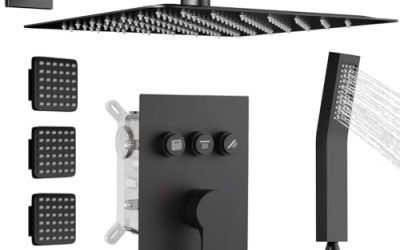
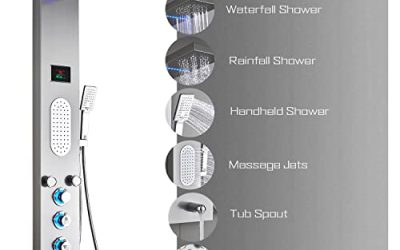
This concealed thermostatic valve kit in chrome has five handles in its published description. Published specifications list copper and brass construction, four ports, and a thermostatic temperature control with an anti-scald device. It can serve more than one shower outlet from a single concealed body. Best for a new construction bathroom with several shower outlets, such as an overhead head, a handheld unit, and body jets, controlled from one concealed valve. Consideration: a multi-outlet valve has more connections and a larger body, so confirm stud spacing, wall depth, and pipe layout before framing is closed.
ECOSPA Premium Concealed Twin Thermostatic Shower Mixer Valve in Chrome — ASIN B018IO044Q
This two-outlet concealed valve has two square handles. Published specifications list brass and ceramic construction, a polished chrome finish, a maximum pressure of 5 bar, and a flow rate of up to 25 litres per minute in the listing. It includes an anti-scald safety feature. Best for a new construction bathroom with two outlets, such as an overhead shower and a handheld shower, where the owner wants a clean chrome valve with two square handles. Consideration: it has two outlets, so it does not serve a third outlet such as body jets without an additional diverter.
Which One Is Right for You?
For maximum flexibility in trim choice later, the Delta R10000-UNBX is the practical starting point. For two outlets with thermostatic control, the ECOSPA twin valve gives a clean layout. For several outlets, the HOMEDEC 4-way valve covers more water paths, and for a single thermostatic valve the KATAIS valve is the most direct choice.
Frequently Asked Questions
What is a concealed shower valve?
A concealed shower valve is a valve body installed inside the wall, with only the trim plate and handles visible on the finished wall. The pipes connect to the valve while the wall is open, and the showerhead, handheld unit, and other outlets connect to the valve outlets through pipes inside the wall.
Can a concealed valve be serviced without removing tile?
In most designs, yes. The trim plate is removed, and the cartridge is pulled from the front of the valve body through the trim opening. The valve body itself stays in the wall. Confirm the service method for the exact model before installation, and keep the model number and cartridge number with the house records.
How deep should a concealed valve be set?
Each valve lists a depth range for the finished wall, and the plaster guard shows the correct position. The plumber should set the valve after the backer board thickness is known. If the valve is set too deep or too shallow, the trim may not fit correctly.
Bottom Line
For a new construction bathroom, the best concealed shower valve system is the one that matches the outlet count, the connection type, and the finished wall depth, and that leaves the cartridge reachable through the trim. Decide the valve before the tile goes up and set the depth with the plaster guard.
Disclosure: As an Amazon Associate, this site earns from qualifying purchases.
FAQ
Which One Is Right for You?
What is a concealed shower valve?
Can a concealed valve be serviced without removing tile?
How deep should a concealed valve be set?
More from Amazon
Programs that pair well with the guide above. Offers and eligibility are set by Amazon and may change.
Set up recurring deliveries of everyday items on eligible products. Terms and savings are set by Amazon.
Explore Subscribe & SaveCollect the home and kitchen items you want in one registry that guests can shop from.
Create a wedding registryFree shipping on eligible items, Prime Video and more. Eligible new members can start with a free trial.
Start a Prime free trialAudiobooks and podcasts to listen to on the go. Eligible new members can start with a free trial.
Try Audible freeAs an Amazon Associate we earn from qualifying purchases.