Key takeaways
- A cast iron bathtub is a lifetime fixture, but only if the floor can carry its weight, the enamel finish is thick and even, and the style fits the room.
A cast iron bathtub is a lifetime fixture, but only if the floor can carry its weight, the enamel finish is thick and even, and the style fits the room. Structural support, installation style, and enamel quality are the decisions that matter most.
Cast iron tubs are valued for heat retention, a solid feel, and a glossy porcelain-enamel surface that can last for decades. They are also extremely heavy, often weighing several hundred pounds empty, which turns delivery, installation, and floor support into planning tasks rather than afterthoughts. The sections below explain the tub types, the specs that deserve attention, and the practical points that prevent expensive surprises.
Why Choose Cast Iron at All?
Cast iron is molten iron poured into a mold and coated with enamel. The thick mass holds heat, so bathwater stays warm longer than in acrylic or fiberglass tubs. The enamel surface is hard, resists scratching, and holds its shine when cared for, and the tub does not flex or creak. These qualities are why vintage cast iron tubs are still restored and reused.
The drawbacks are weight, cost, and slower warming. A cast iron tub absorbs heat from the water before it begins to retain it, so a cold tub benefits from a quick rinse with hot water first. Chips in the enamel can occur if heavy items hit the surface, and repairs need care. Buyers should weigh these aspects against alternatives before committing.
Types of Cast Iron Bathtubs
Clawfoot Tubs
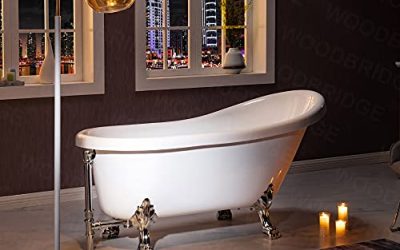
The classic freestanding style rests on four feet and offers a traditional look. Rim shapes vary, including the roll-top, flat-rim, and slipper designs. A slipper tub has one raised end for reclining, which is comfortable for solo bathing. Clawfoot tubs need space around them and plumbing that fits the freestanding layout.
Freestanding Tubs on a Base
Some cast iron tubs sit on a solid base or pedestal and offer a more modern appearance. They provide the same heat retention as clawfoot models with a different style and may be easier to clean underneath.
Alcove Tubs
Alcove cast iron tubs fit between three walls and often include an apron on one side. They are the practical choice for combination tub-and-shower setups and standard bathrooms, and they need less floor clearance than freestanding styles.
Drop-In and Undermount Tubs
These are installed into a deck or surround. The tub sits inside a frame and is finished with tile or stone. They offer a custom look, though they require more construction and are best suited to renovations with a larger budget.
Weight and Floor Support
A cast iron tub can weigh several hundred pounds before adding water, and a full tub with a bather may exceed a thousand pounds. That load is concentrated on a small footprint, so structural support is important. Ground-floor installations on a concrete slab seldom pose a problem. Upper floors need a check by a contractor or structural engineer, and reinforcement of the joists or subfloor may be needed.
Delivery also deserves planning. The tub must get through doors, stairs, and tight corridors, so measure the path ahead of time. Removing a door or using a crew experienced in moving heavy fixtures is common. Skipping this step leads to scuffed walls, damaged enamel, or injuries.
Enamel Quality and Finish
The enamel is the surface the bather feels and the layer that protects the iron beneath. A good finish should be smooth, glossy, and free from pinholes, rough patches, or uneven coating. Thickness varies between makers, and a thick, fused enamel lasts longer and resists chipping.
The exterior of freestanding tubs is often painted in a color of choice. Primer-only exteriors let buyers paint to match the room, while pre-finished exteriors come ready. A glossy white interior is the standard, though colored enamels are available. Refinishing is possible but not a replacement for a high-quality original coating.
Size, Shape, and Comfort
Tub dimensions affect comfort and fit. Standard alcove tubs are about five feet long, while freestanding styles range from roughly five to six feet and sometimes longer. Longer tubs allow taller bathers to stretch out, though they require more room and more water.
- Interior depth: Deeper tubs allow fuller soaks but demand more water and may be harder to step into.
- Back slope: A gentle incline supports the back, and slipper designs usually offer the best recline.
- Rim width and shape: A wide, rolled rim looks classic and can hold bath items, while a slim rim offers more interior room.
- Interior width: Wider tubs suit couples or those who like to move around.
- Entry height: A tall tub can be difficult for children or older adults to enter.
Sitting in the tub in a showroom, when possible, tells more than reading measurements.
Faucets, Drain, and Plumbing Considerations
Freestanding tubs often require a floor-mounted or wall-mounted faucet, and the supply lines and drain placement must align. Tubs with pre-drilled faucet holes on the rim need a matching deck-mount faucet. An overflow and a pop-up or stopper drain are standard, and the drain size should match the plumbing. Many installers advise placing the supply lines before the tub arrives, so there is no need to reposition the heavy fixture.
Water capacity also matters. Cast iron tubs can hold a large amount of water, which affects water heater capacity. A smaller water heater may not fill a deep tub with hot water, so checking this ahead of time avoids disappointment.
Care and Maintenance
Enamel is tough but not indestructible. Non-abrasive cleaners and soft sponges preserve the shine, and harsh scouring powders or steel wool dull and scratch the surface. Wiping the tub after use limits mineral buildup in hard-water areas, and a mild vinegar solution can dissolve some deposits. Avoid dropping heavy objects, which can chip the enamel and expose the iron to rust. Small chips can be touched up with repair kits, and larger damage may require professional refinishing.
Common Mistakes
- Ignoring floor strength. Upper-floor installations without reinforcement risk structural damage.
- Not measuring the delivery path. A tub that cannot reach the bathroom is a costly mistake.
- Choosing a style that does not match the plumbing. Rim-mounted faucets, wall-mounted spouts, and floor-mounted fillers are not interchangeable.
- Using abrasive cleaners. They dull the enamel and make stains harder to remove.
- Overlooking water heater capacity. A deep tub needs a larger supply of hot water.
- Buying on looks alone. Comfort and fit matter in a fixture used for years.
New Versus Reclaimed Tubs
Antique cast iron tubs appeal to buyers who love vintage character, and many can be refinished to look new. Reclaimed tubs often carry older enamel that may contain materials no longer used in modern finishes, so professional refinishing with current coatings is important. They may also need new feet, a new drain, and careful inspection for cracks.
New tubs come with fresh enamel, current plumbing standards, and a manufacturer warranty, which makes them simpler to install and insure. Reclaimed tubs can be a charming and sustainable choice when the budget allows for restoration, but the extra steps and unknowns mean they suit patient buyers more than those with a tight timeline.
Budget Tiers Without the Numbers
Entry-level cast iron tubs are typically alcove or basic freestanding models with standard enamel and simple finishes. Mid-range tubs add better enamel, more elegant shapes, and finished exteriors, appropriate for most renovations. Premium tubs feature thick enamel, refined detailing, designer shapes, and custom colors, suited to high-end bathrooms where the tub is a focal point.
Buying Checklist
- Check the floor structure and plan reinforcement if needed.
- Measure doors, stairs, and hallways for delivery.
- Choose a style that fits the layout and plumbing.
- Inspect the enamel for evenness and thickness.
- Match the faucet type and drain position.
- Confirm the water heater can supply enough hot water.
Related guides
- Bathroom Makeup Organizer With Dustproof Lid
- Stackable Bathroom Storage Bins With Lids
- Widespread Bathroom Faucets 8 Inch
Frequently Asked Questions
How heavy is a cast iron bathtub?
Empty, most weigh several hundred pounds, and larger models weigh more. Adding water and a bather pushes the total much higher, so floor support is a key concern.
Do cast iron tubs keep water warmer?
Yes, once heated, the thick iron holds heat and slows cooling compared with acrylic or fiberglass. A short pre-warming rinse with hot water helps the tub reach this state faster.
Can a cast iron tub be installed on an upper floor?
Often it can, but the structure must be checked and may need reinforcement. A contractor or engineer should confirm the joists and subfloor can carry the concentrated load.
How can chips in the enamel be repaired?
Small chips can be filled with an enamel repair kit made for tubs, and larger areas may need professional refinishing. Quick repair prevents rust and keeps the surface smooth.
FAQ
Why Choose Cast Iron at All?
How heavy is a cast iron bathtub?
Do cast iron tubs keep water warmer?
Can a cast iron tub be installed on an upper floor?
How can chips in the enamel be repaired?
More from Amazon
Programs that pair well with the guide above. Offers and eligibility are set by Amazon and may change.
Set up recurring deliveries of everyday items on eligible products. Terms and savings are set by Amazon.
Explore Subscribe & SaveCollect the home and kitchen items you want in one registry that guests can shop from.
Create a wedding registryFree shipping on eligible items, Prime Video and more. Eligible new members can start with a free trial.
Start a Prime free trialAudiobooks and podcasts to listen to on the go. Eligible new members can start with a free trial.
Try Audible freeAs an Amazon Associate we earn from qualifying purchases.