Key takeaways
- Bitterness: Low to medium
- Sweetness: Usually mild, with a fresh rather than sugary taste
- Caffeine feel: Noticeable, alert, and relatively clean
- Best for: First-time drinkers, morning routines, and iced drinks
Yerba mate flavors ranked: the best starting point for most beginners is a smooth, lightly roasted blend with citrus or mint, while experienced drinkers often prefer bold green, smoky, bitter, or herb-forward profiles.
Our top picks


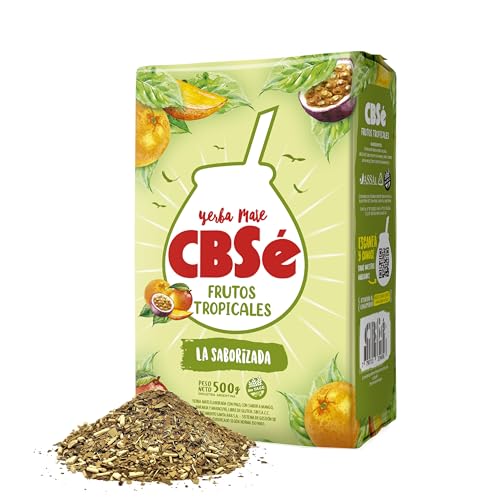

As an Amazon Associate we earn from qualifying purchases at no extra cost to you. Ratings are shown as listed on Amazon.
Yerba Mate Flavors Ranked at a Glance
| Rank | Flavor profile | Bitterness | Sweetness | Caffeine feel | Best brewing style | Beginner fit |
|---|---|---|---|---|---|---|
| 1 | Citrus and lemon | Low to medium | Medium | Bright and steady | Hot or cold brew | Excellent |
| 2 | Mint and fresh herbs | Low to medium | Low to medium | Clean and refreshing | Hot, cold brew, or tereré | Excellent |
| 3 | Roasted and nutty | Medium | Low | Warm and rounded | Hot brew | Very good |
| 4 | Traditional green and grassy | Medium to high | Low | Strong and sustained | Gourd and bombilla | Moderate |
| 5 | Fruit-forward | Low | Medium to high | Gentle and approachable | Cold brew or iced tea | Excellent |
| 6 | Smoky and woody | High | Very low | Robust and intense | Hot traditional brew | For experienced drinkers |
The ranking is based on the balance of taste, brewing flexibility, perceived bitterness, and how easy each profile is to enjoy without adding sugar. Individual blends vary because the final cup depends on leaf size, stems, aging, roasting, water temperature, and steeping time.
1. Citrus and Lemon: Best Overall Starting Flavor
Citrus-flavored yerba mate typically combines the earthy base of mate with lemon, orange, grapefruit, or lemongrass notes. The result is brighter and less heavy than plain traditional mate. Citrus does not necessarily make the drink sweet, but its acidity and aroma can make bitterness seem softer.
- Bitterness: Low to medium
- Sweetness: Usually mild, with a fresh rather than sugary taste
- Caffeine feel: Noticeable, alert, and relatively clean
- Best for: First-time drinkers, morning routines, and iced drinks
Use water around 160–175°F rather than boiling water. For a single 12-ounce mug, start with 8–10 grams of loose yerba mate and steep for 4–5 minutes. Citrus mate is also forgiving when brewed as a cold infusion for 8–12 hours in the refrigerator.
2. Mint and Fresh Herbs: Best for a Cooling Finish
Mint, peppermint, spearmint, and mixed herbal blends bring a cooling sensation that offsets mate’s earthy, vegetal character. Mint-based mate is often a strong choice for people who usually prefer green tea, herbal tea, or lightly flavored iced beverages.
The flavor is refreshing rather than sweet. Mint can also make a blend feel lighter, although the caffeine content may remain similar to unflavored mate. For hot preparation, use 8 grams per 12 ounces of water and steep for 3–4 minutes. For tereré, the cold-brewed South American style, pour chilled water or juice over the leaves in several short refills.
Choose mint mate when you want a drink for warm weather, afternoon concentration, or pairing with a light breakfast. It is less ideal if you dislike cooling flavors or want a deep roasted taste.
3. Roasted and Nutty: Best for Coffee Drinkers
Roasted yerba mate has toasted, nutty, cocoa-like, or lightly smoky notes. It is usually rounder and less grassy than green mate, making it a useful transition for people accustomed to coffee or black tea.
- Bitterness: Medium, with less fresh grassiness
- Sweetness: Low, but roasting can create a naturally richer impression
- Caffeine feel: Warm, focused, and substantial
- Best brewing style: Hot mug, French press, or filtered tea maker
A French press works well because it separates the fine particles more effectively than a basic tea strainer. Try 10 grams in 16 ounces of water at 170–180°F for 4 minutes. Longer steeping adds body but can quickly increase bitterness.
4. Traditional Green and Grassy: Best for an Authentic Mate Character
Unflavored green mate offers the clearest expression of the leaf: grassy, earthy, herbal, slightly mineral, and sometimes pleasantly astringent. It is the profile most likely to satisfy experienced drinkers who want a traditional cup without fruit or mint masking the base flavor.
This style can be challenging for beginners because both bitterness and texture become more noticeable. A traditional gourd and bombilla provide a distinctive experience, but a French press or fine tea infuser is easier when learning portion sizes.
For a gourd holding approximately 8–10 fluid ounces, fill it roughly one-half to two-thirds with yerba mate, cover the opening, invert it briefly to move the finer particles away from the filter, and add cool water before introducing hot water. Keep the water below 175°F. Boiling water tends to produce a harsh, over-extracted cup.
5. Fruit-Forward Mate: Best for Cold Brewing and Sweetness
Berry, peach, apple, tropical fruit, and pomegranate-style blends are generally the most approachable when served cold. They may contain dried fruit, flavoring, or a mixture of mate and other botanicals, so inspect the ingredient list if you want a high proportion of actual yerba mate.
Fruit mate usually has low perceived bitterness and medium to high perceived sweetness, even when no sugar is added. It is a practical choice for people who want an iced beverage rather than a traditional hot infusion.
For cold brew, use 12 grams per 24 ounces of cold water and refrigerate for 8–12 hours. Strain thoroughly, then serve over ice. If the result tastes too strong, dilute it with 25–50% additional water. If it tastes thin, use more leaf rather than leaving it to steep indefinitely.
6. Smoky and Woody: Best for Experienced Drinkers
Smoky mate may have campfire, toasted wood, leather, dark cocoa, or charred herb notes. These flavors often come from drying or roasting methods, although the exact character differs from one producer and blend to another.
This is the most demanding profile in the ranking. It can be highly satisfying with a short, carefully controlled brew, but boiling water or excessive steeping may create intense bitterness and a dry mouthfeel. Start with 6–8 grams per 12 ounces of water at 165–175°F and steep for only 2–3 minutes.
Choose smoky mate if you enjoy peated spirits, dark roast coffee, lapsang souchong, or strongly roasted teas. It is usually not the best first purchase for someone who dislikes bitter or earthy drinks.
Choose by Situation, Not Just Flavor
| Your situation | Best flavor choice | Recommended setup | Why it works |
|---|---|---|---|
| New to yerba mate | Citrus or mint | 12-ounce mug, 8–10 grams, 160–175°F | Lower perceived bitterness and familiar aromas |
| Replacing a morning coffee | Roasted and nutty | French press, 10 grams per 16 ounces | Richer flavor and a substantial caffeine impression |
| Want an iced drink | Fruit or citrus | Cold brew, 12 grams per 24 ounces | Cold extraction softens harshness |
| Prefer traditional preparation | Green and grassy | 8–10-ounce gourd and bombilla | Preserves the classic earthy character |
| Dislike bitterness | Fruit, mint, or citrus | Short hot brew or cold brew | Flavor additions and lower temperature improve approachability |
| Enjoy bold, smoky beverages | Smoky and woody | 6–8 grams per 12 ounces, 2–3 minutes | Delivers the deepest roasted character |
How Much Caffeine Should You Expect?
A typical 8-ounce serving of yerba mate may provide roughly 30–85 milligrams of caffeine, but the number changes substantially with leaf quantity, brewing time, water temperature, and refills. A large gourd consumed through multiple hot-water additions can deliver considerably more caffeine than one short mug.
If you are sensitive to caffeine, begin with 4–6 grams of mate, use a short steep, and avoid drinking it late in the day. Flavoring does not reliably reduce caffeine; a mint or fruit blend can be just as stimulating as an unflavored one.
What to Buy First
For the safest first choice, select a citrus or mint blend with a moderate amount of stems and a clear preparation guide. Stems can make the texture feel lighter, while very fine, leaf-heavy blends often taste stronger and clog basic strainers more easily.
Buy roasted mate if coffee is your reference point, fruit mate if you mainly drink iced tea, and traditional green mate if you want to learn the classic flavor. Save smoky varieties for later unless you already enjoy intensely roasted beverages.
FAQ
Does yerba mate taste like green tea?
It can share green, grassy notes with green tea, but yerba mate is usually earthier, more bitter, and fuller-bodied. Roasted mate is closer to toasted tea or light coffee.
Can I add milk or sugar?
Yes. Milk works best with roasted or nutty mate. Sugar, honey, or a small amount of fruit juice can soften citrus, green, and smoky profiles, although sweeteners may hide differences between blends.
Why does my mate taste too bitter?
The most common causes are boiling water, too much leaf, excessive steeping, or repeatedly disturbing the leaves. Lower the water temperature to 160–170°F, shorten the brew, or dilute the finished drink.