Key takeaways
- Nobody can honestly hand you a list of the best kitchen knives in the world. Forged Japanese masterpieces cost more than a used car.
Nobody can honestly hand you a list of the best kitchen knives in the world. Forged Japanese masterpieces cost more than a used car, and the knives that actually reach home kitchens range from stamped German steel to Damascus-patterned Japanese blades to ceramic. What a buyer can do is compare what each listing states, namely the steel, the blade length, the handle, and the set composition, and pick the style that matches how they cook. That is the decision this guide treats as the real meaning of the phrase: which globally popular knife styles deserve a place on your board in 2026.
The picks below mix single chef knives and small sets, because that is how most people end up shopping for an upgrade. Each one is judged only from the product title, so claims about edge retention or lifetime sharpness are repeated as the maker’s claims, not as results. If you are a home cook who wants one reliable 8-inch chef knife, a gift giver choosing between a set and a single blade, or someone curious about ceramic, the comparison below should narrow the field quickly.
Quick Picks
Our top picks


As an Amazon Associate we earn from qualifying purchases at no extra cost to you.
| Product | Best for | Key spec from the title |
|---|---|---|
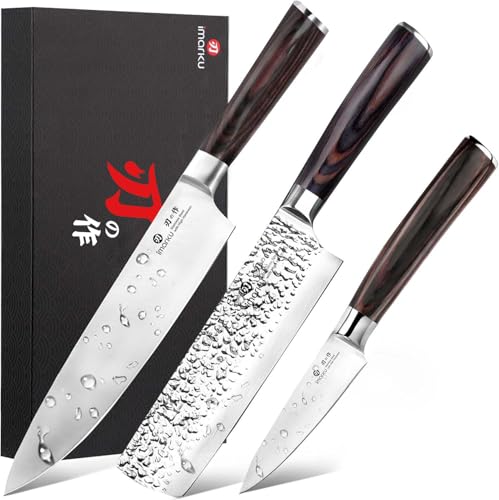
| imarku 3-Piece Japanese Knife Set | Small chef-style set | 3 pieces, Japanese HC stainless steel, pakkawood handle |
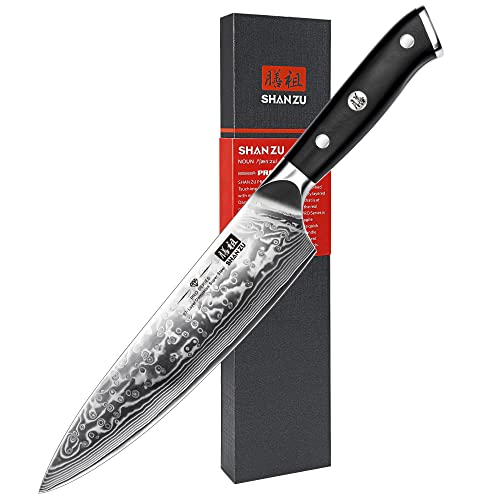
| SHAN ZU 8-Inch Damascus Chef Knife | Pattern-welded Japanese look | 8 inch, Japanese steel Damascus, high carbon steel |
| imarku 8-Inch Japanese Chef Knife | Single all-purpose blade | 8 inch, HC steel, Japanese chef knife |
| OLULU 8-Inch Chef Knife with Sheath | Safe storage and travel | 8 inch, German stainless steel, protective sheath |
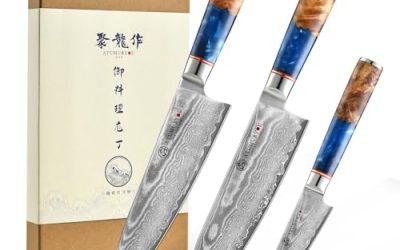
| Atumuryou 8-Inch Japanese Chef Knife | Handcrafted, premium feel | 8 inch, handcrafted, Damascus VG10 steel, hand-sharpened edge |
| Miracle Blade IV 7-Piece Ceramic Set | Cooks curious about ceramic | 7 pieces, black ceramic, Professional Series |
How to Choose
Blade length and shape
Most home cooks should start with an 8-inch chef knife, which is long enough for onions and melons yet short enough to control on a standard board. A 6-inch version suits smaller hands, while a 10-inch blade suits large roasts but feels unwieldy in a cramped kitchen. Look for a gently curved belly if you rock the knife through herbs and a flatter profile if you push-cut. Handle width matters as much as blade length, since a handle that is too thin cramps the hand over a long prep session, so check the handle material and shape in the photos.
Steel families and what they imply
German-style stainless steel is the tougher, more forgiving choice and tolerates a honing rod. Japanese high carbon stainless is usually harder and takes a finer edge but is less tolerant of twisting and bone. VG10 is a well-known Japanese steel used in Damascus-clad knives, and the listing for the Atumuryou names it. A title that says only high carbon or HC steel gives you less to compare, so read the full specification before buying.
Set versus single knife
A single 8-inch chef knife plus a paring knife handles most meals, and spending on one good blade often beats a large block of ordinary ones. A set makes sense when you need matching handles, a first kitchen, or a gift. Be skeptical of any listing that implies a three-piece set contains a premium blade for every task. If you are building over time, a chef knife first, a serrated bread knife second, and a paring knife third is a sensible order. Spend the larger share of any budget on the chef knife, because it does most of the work.
Ceramic, Damascus, and what to ignore
Ceramic blades are lightweight and hold an edge on soft foods, but they chip if dropped, twisted, or used on bone and hard squash. Damascus patterns are partly cosmetic, and the value lies in the core steel rather than the swirl. Ignore labels that promise to never dull, since every edge needs maintenance, and budget for a honing rod and a sharpening stone in any case. Also ignore the gift packaging and the lengthy keyword strings in listings, which say nothing about the steel inside.
The 6 Best Options
imarku 3-Piece Japanese Knife Set
This set bundles a chef knife trio built around Japanese HC stainless steel and an ergonomic pakkawood handle. The title advertises professional chef styling and an ultra-sharp edge. It suits a cook who wants matching knives without committing to a large block, and it makes a presentable gift because the handle material looks warmer than plain plastic. A cook who mostly chops vegetables, trims meat, and peels fruit will find the trio a good fit for a weeknight routine.
- Pakkawood handles are stated, which gives the set a more upscale look.
- Three pieces cover chopping, trimming, and peeling without taking much storage.
- Trade-off: the listing mentions no block, sheath, or honing tool, so storage is up to you.
Who should skip it: anyone who needs bread slicing or carving blades in the same package.
SHAN ZU 8-Inch Damascus Chef Knife
SHAN ZU sells a single 8-inch chef knife described as Japanese steel with a Damascus pattern and high carbon super steel. It is the stylish option for a cook who wants a showpiece that still does everyday work, and it can anchor a minimalist kit built around one hero blade. Because the title also lists a utility-style use, expect a general-purpose chef profile rather than a specialist slicer.
- The Damascus pattern gives a distinctive look that stands out on a magnetic strip.
- High carbon steel is named, which points toward a harder, finer edge.
- Trade-off: a single knife means you still need a paring and utility blade.
Who should skip it: shoppers who want a sheath, a block, or several knives in one box.
imarku 8-Inch Japanese Chef Knife
This is the single-knife version of the same brand family, an 8-inch Japanese-style chef knife in HC steel marketed as a gift. The title mentions a paring knife as part of the offering, so confirm the contents before buying. It is a straightforward pick for someone who wants one dependable everyday blade, and it pairs naturally with a separate paring knife later. If you already own the three-piece set from the same brand, this single knife would duplicate it, so choose one or the other.
- An 8-inch profile is the most flexible length for general prep.
- The gift-oriented listing suits birthdays and housewarmings.
- Trade-off: HC steel is a short description, so details such as hardness are not visible in the title.
Who should skip it: buyers who want a named steel such as VG10 on the listing.
OLULU 8-Inch Chef Knife with Sheath
OLULU includes a protective sheath, which is a practical bonus for a drawer, a camping box, or a cook who carries knives to a friend’s house. The title also mentions an ergonomic handle and German stainless steel, so this blade follows the tougher German approach rather than the harder Japanese one. The slicing-knife wording in the title suggests a long, general-purpose blade, which works for roasts as well as vegetables.
- The sheath protects both the edge and the fingers reaching into a drawer.
- German stainless steel is generally forgiving with a honing rod.
- Trade-off: a single blade, so you will need other knives for fine work.
Who should skip it: cooks chasing the thin, hard edge associated with Japanese steel.
Atumuryou 8-Inch Japanese Chef Knife
The most detail-rich listing here: handcrafted, Damascus VG10 steel, and a hand-sharpened edge. VG10 is a recognized Japanese steel, which gives buyers a specific alloy to research. It suits the cook who treats knife care as a hobby and wants a premium-tier single blade. Owners of this kind of knife usually keep a whetstone nearby and wipe the blade dry after each use, so it fits a cook who enjoys that ritual.
- A named core steel makes it easier to compare against other knives.
- Hand-sharpened and handcrafted claims point to a more premium positioning.
- Trade-off: a hard Japanese-style edge needs careful use, with no bone, frozen food, or twisting.
Who should skip it: busy households that want a rugged, throw-it-in-the-sink blade.
Miracle Blade IV 7-Piece Ceramic Set
This is the outlier: a black ceramic kitchen knife set from the Professional Series with seven pieces. The title leans on sharpness and maintaining precision cuts and claims the blades never dull. Treat that as a maker claim and know that ceramic behaves differently from steel. It is best viewed as a curiosity purchase or a supplement to a steel chef knife, not a replacement for one.
- Ceramic is typically lightweight, which can reduce fatigue on soft produce.
- Seven pieces give broader coverage than the single-knife options.
- Trade-off: ceramic can chip if dropped or used on bone, and it is hard to sharpen at home.
Who should skip it: anyone who chops hard squash, bones, or frozen items.
Which One Fits Your Situation
You want one knife and a tidy drawer
Pick the imarku 8-Inch Japanese Chef Knife. It is a plain, flexible length that covers most of the board work, and you can add a paring knife when you find a gap. If you want a sheath for drawer storage, the OLULU 8-Inch is the alternative.
You like knife care and craft detail
The Atumuryou 8-Inch, with its named VG10 steel and handcrafted claim, gives you the most to read and compare. The SHAN ZU Damascus knife is the nearest alternative if the pattern-welded look matters more than the VG10 label.
You are buying a first set as a gift
The imarku 3-Piece Set looks presentable, uses pakkawood handles, and avoids the clutter of a large block.
You want to try ceramic
The Miracle Blade IV 7-Piece is the only ceramic set in the group. Keep it for soft produce and boneless cuts, and pair it with a steel chef knife for rougher jobs.
Common Mistakes
- Treating the phrase best in the world as a spec rather than a marketing line.
- Paying for a Damascus pattern without checking the core steel.
- Using a hard Japanese-style edge to cut through bone or frozen food.
- Assuming ceramic never needs care, then dropping it on a tile floor.
- Skipping a sheath, block, or magnetic strip and letting edges knock together in a drawer.
Specs and Terms Explained
Hardness rating
Hardness is rated on the Rockwell C scale and written as HRC. Lower-hardness blades in the mid-50s are tougher and forgive hard impacts, while blades in the low 60s hold sharpness longer but can chip. A listing that gives no HRC at all is typical for budget cutlery, and the claim of “professional grade” without a number should be read as marketing.
Damascus pattern
True Damascus-style blades are made from layered steel. Many affordable blades, however, have the pattern laser-etched or acid-etched onto plain steel for looks. Because the surface pattern does not reveal the core steel, look at the alloy named in the title or description rather than the swirls.
Bevel and grind
Single-bevel knives are sharpened on one side and need skill to use, while the double-bevel chef knives in this guide are sharpened on both sides and work for either hand. Hollow-ground or granton scallops along the blade reduce sticking when slicing potatoes or cheese.
Ceramic blade traits
Ceramic is extremely hard and stays sharp for a long time, but it is brittle. It can snap if twisted, dropped on a tile floor, or used to pry frozen items apart. Its edge cannot be refreshed on a normal home sharpener, so owners usually send ceramic knives away or replace them.
Who Should Skip These
- Anyone chasing a collector-grade knife. The options here suit home cooks and gift buyers, not forged-by-hand blades with bespoke grinds.
- Cooks who rough up their tools. Slicing through bones, prying, and scraping boards with the edge punish thin Japanese-style steel and are fatal to ceramic.
- Households with no sharpening plan. A harder steel only holds up if someone eventually owns a whetstone or books a professional sharpening.
- People who want a one-size knife for every task. A single 8-inch chef knife is a good all-rounder, but a bread loaf and a crusty roast will still call for a serrated blade.
Setup and Care Tips
- Give a new blade a quick wash and a dry before the first cut, because production oil can linger on the surface.
- Pick a board with some give, such as wood or soft plastic, and avoid glass or marble.
- Use the pinch grip: thumb and forefinger on the blade just ahead of the handle for control.
- Keep sheaths and guards on during storage, such as the one that ships with the OLULU, so the edge does not touch other utensils in the drawer.
- Hand wash and towel dry. Prolonged contact with water, salt, or acids such as lemon juice can spot even stainless steel.
Related guides
- Bathroom Makeup Organizer With Dustproof Lid
- Stackable Bathroom Storage Bins With Lids
- Widespread Bathroom Faucets 8 Inch
Frequently Asked Questions
Is Japanese steel always better than German steel?
No. Japanese steel is usually harder and takes a finer edge, while German steel is tougher and more forgiving. The right choice depends on how carefully you cut and how much maintenance you prefer.
What does VG10 mean?
It is a stainless steel widely used in Japanese kitchen knives, often with Damascus cladding. It is a named alloy you can look up, which is more informative than a generic high carbon label.
Are ceramic knives worth buying?
They suit soft foods and light prep, but they can chip and are difficult to resharpen. Most cooks keep one steel chef knife as the main blade and treat ceramic as a supplement.
How long should an 8-inch chef knife last?
With honing and occasional sharpening, a decent steel knife can serve for many years. The edge itself will not last indefinitely, so budget for maintenance instead of replacement.