Key takeaways
- Cutout width: A 30-inch wall oven usually needs an opening about 28.5 inches wide; a 27-inch model needs roughly 25.5 inches. Check the installation guide of the exact model.
- Cutout height: Single ovens need about 22 to 29 inches, doubles about 49 to 51 inches.
- Depth: Allow around 23.5 inches of cabinet depth plus room for the door to open and the plug behind.
- Electrical: Most electric wall ovens need a dedicated 240V circuit, typically 30 or 40 amps. A double oven often requires a 40-amp line.
- Doorway and delivery: A boxed double oven can be 30 inches wide and over 250 pounds shipping weight, so plan for two people and a lift.
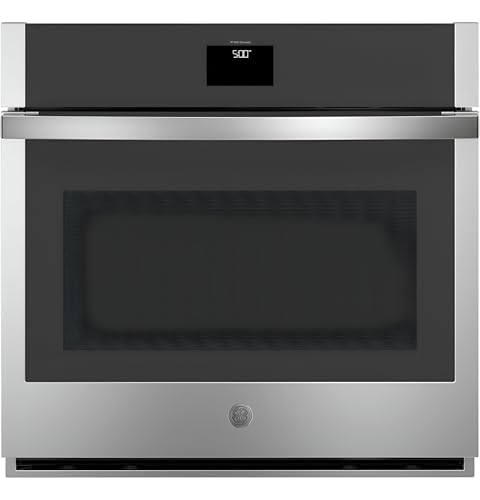
The best oven for most kitchens in 2026 is a 30-inch electric wall oven with true convection, such as the GE Profile JTD5000 double oven if you bake often, or a single wall oven if cabinet space is limited. Choose electric for even baking, gas for lower running costs where gas is available, and measure your cabinet cutout before you fall for any model. This guide sorts the options by kitchen situation rather than brand.
Our top picks


As an Amazon Associate we earn from qualifying purchases at no extra cost to you.
Quick comparison of oven picks
| Pick | Best for | Key specs | Price range |
|---|---|---|---|
| GE JTD5000SNSS | Baking-heavy households | 30 inch double wall oven, about 10 cu ft total, true convection, Wi-Fi | Premium |
| Cosmo COS-30EDWC | Value double oven | 30 inch, 5 + 5 cu ft, European convection, self-clean | Mid-range |
| Rangaire RWOD301GS | Budget-minded double oven | 30 inch electric double | Mid-range |
| GE JKD5000SNSS | Narrow cabinets | 27 inch double with advanced convection | Premium |
| KitchenAid 24-inch double wall oven | Small kitchens and condos | 24 inch width | Premium |
| Bosch 800 Series wall oven | European-style precision | 30 inch, convection, smart features | Premium |
Model numbers and features change between years, so confirm specs and cutout sizes on the manufacturer’s current page.
Best double oven for most households: GE JTD5000SNSS
It combines about 10 cubic feet across two cavities, true convection and Wi-Fi control, which makes it popular in published 2026 roundups. The upside is cooking a roast and sides at different temperatures at once. The trade-off is cost and weight: double wall ovens commonly weigh 200 to 250 pounds and need reinforced cabinetry.
Best value double oven: Cosmo COS-30EDWC
Cosmo’s 30-inch double offers two 5 cubic foot cavities, European convection and a self-cleaning cycle for a lower price than the big appliance brands. Expect fewer smart features and a less extensive service network, so confirm the warranty terms.
Best for narrow openings: GE JKD5000SNSS and 24-inch double ovens
Older kitchens often have 27-inch openings or a 24-inch space between cabinets. The GE 27-inch double and 24-inch models from brands such as KitchenAid fit these without a remodel. The compromise is capacity: a 24-inch oven typically holds a 9×13 inch pan comfortably but not a full-size turkey roaster.
Single vs double vs range: how to decide
| Type | Typical capacity | Best for | Main drawback |
|---|---|---|---|
| Freestanding range | 4.8 to 6.3 cu ft | Standard kitchens and budgets | Oven sits low, bending required |
| Single wall oven | 4.3 to 5.0 cu ft | Ergonomic height, separate cooktop | Needs a cabinet cutout |
| Double wall oven | 8.6 to 10 cu ft | Holiday cooking, two temperatures | Cost and weight |
| Wall oven plus microwave combo | About 4.3 + 1.7 cu ft | Small kitchens | Smaller main cavity |
Measurements that decide whether an oven fits
- Cutout width: A 30-inch wall oven usually needs an opening about 28.5 inches wide; a 27-inch model needs roughly 25.5 inches. Check the installation guide of the exact model.
- Cutout height: Single ovens need about 22 to 29 inches, doubles about 49 to 51 inches.
- Depth: Allow around 23.5 inches of cabinet depth plus room for the door to open and the plug behind.
- Electrical: Most electric wall ovens need a dedicated 240V circuit, typically 30 or 40 amps. A double oven often requires a 40-amp line.
- Doorway and delivery: A boxed double oven can be 30 inches wide and over 250 pounds shipping weight, so plan for two people and a lift.
Worked example: capacity for real meals
A 22-pound turkey in a roasting pan needs about 17 inches of interior width and roughly 8 inches of vertical room. A 5 cubic foot cavity handles that with a low rack, while a 24-inch oven does not. Two half-sheet pans (18 by 13 inches) fit side by side only in cavities wider than about 25 inches of interior width, which most 30-inch ovens provide.
Convection, cleaning and other features worth paying for
- True convection has a third heating element behind the fan, giving more even browning than fan-only convection.
- Steam clean takes 20 to 30 minutes at lower heat and is gentler than high-heat pyrolytic cleaning.
- Air fry mode works well for small batches but crisps less evenly than a dedicated air fryer in large loads.
- Wi-Fi control is handy for preheating but not essential.
Installation, delivery and what wears first
Wall ovens are heavy and fussy to install. A single 30-inch unit weighs about 100 to 150 pounds, and a double is nearly twice that, so the cabinet box needs a solid platform, usually 3/4 inch plywood, and the unit slides in from the front with the cord pulled through the back. Measure the path from the truck to the kitchen: boxed double ovens commonly measure about 31 inches wide, which can fail to clear a 30-inch interior door.
| Component | Typical first failure point | What to do |
|---|---|---|
| Bake element | Burn-through after 8 to 12 years | Replaceable part; keep the model number |
| Control board | Heat and power surges after 5 to 10 years | Use a surge protector; ask about board availability |
| Door gasket and hinges | Wear from daily use | Check for heat leaks and loose doors |
| Self-clean latch | Fails after repeated high-heat cycles | Prefer steam clean for light soil |
Smart features add convenience but also add electronics that can fail, so weigh them against your needs. If you rarely use an app, a knob-and-display model with the same cavity may stay serviceable for longer.
Gas vs electric wall ovens
Most wall ovens are electric, because gas wall ovens need a vented cavity and are offered by fewer brands. Electric gives steadier temperature, better broiling and easier cleaning. Gas heats with moisture, which suits roasting but can brown baked goods unevenly. If your kitchen has a gas cooktop, pair it with an electric wall oven and you get both an open flame and precise baking.
Frequently Asked Questions
Is a wall oven better than a range?
A wall oven places the cavity at a comfortable height and offers more capacity options, but it costs more and requires a cabinet cutout. A range is cheaper and simpler to install.
What is the best oven size for a family?
A standard 30-inch oven with 4.8 to 5 cubic feet works for most families. Add a second oven if you often cook large holiday meals.
Is convection worth it?
Yes for baking and roasting. Moving air produces more even browning and often shortens cooking times by roughly 15 to 25 percent.
How long should an oven last?
Industry estimates put the average oven lifespan at about 13 to 15 years, depending on use and electronics.