Key takeaways
- Pro: The PFAS-free pre-seasoning means no chemical coatings, and the initial layer is functional out of the box, reducing the steep learning curve of raw seasoning.
- Pro: Five pieces cover frying, sautéing, and baking in a single purchase, eliminating the decision fatigue of building a set incrementally.
- Con: Owner feedback notes that not every piece in the set gets equal use; some buyers report a smaller skillet or griddle sitting unused while the others rotate weekly.
Choosing a Lodge cast iron cookware website or product line can feel deceptively simple. Every skillet, dutch oven, and braiser in their catalog carries the same brand name and roughly the same price point, yet owners report wildly different experiences from seasoning performance to enamel durability. The real problem a buyer faces is narrower than it seems: which specific Lodge piece matches the cook you actually are? A college student searing chicken breasts in a studio kitchen has zero overlap in needs with a family cook who braises short ribs twice a week.
The gap between a good purchase and a regrettable one usually comes down to three things: whether the size fits your stove and storage, whether the finish suits your maintenance tolerance, and whether the price reflects the set composition you will genuinely use. We compared published specifications, current prices, and aggregated owner feedback across the Lodge lineup to separate the pieces that deliver lasting value from those that look great on paper but collect dust in the cabinet.
Our top picks




As an Amazon Associate we earn from qualifying purchases at no extra cost to you.
Quick Picks
| Product | Best for | Price |
|---|---|---|
| Lodge Cast Iron 5-Piece Set, PFAS-Free Pre-Seasoned | Building a full kit on a budget | $99.9 |
| Lodge Pre-Seasoned Cast Iron Skillet Set, 8, 10.25 and 12 Inches | Home cooks who vary portion sizes | $64.9 |
| Lodge Essential Enamel Cast Iron Braiser, 3.6 Quart, Lagoon | Braisers and shallow stews | $79.9 |
| Lodge Essential Enamel Cast Iron Dutch Oven, 6 Quart, Island Spice Red | Batch soups, bread, and one-pot meals | $72.99 |
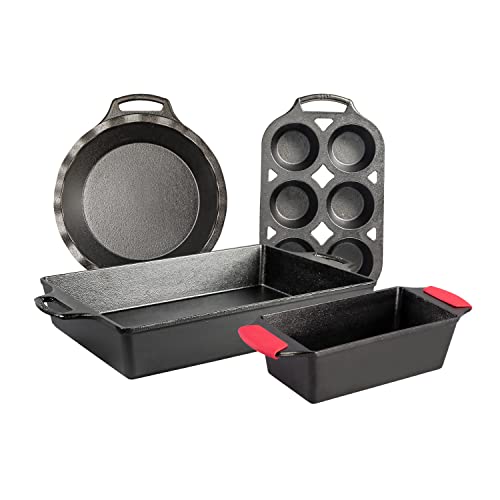
| Lodge Cast Iron Baker’s Favorite 6-Piece Set, Made in the USA | Home bakers wanting versatility | $99.9 |
| Lodge Pre-Seasoned Cast Iron Skillet with Silicone Handle Holder, 12 Inches | Comfort-conscious everyday searing | $34.9 |
| Lodge Pre-Seasoned Cast Iron Skillet, PFAS-Free, 10.25 Inches | Small households, lower cost | $24.9 |
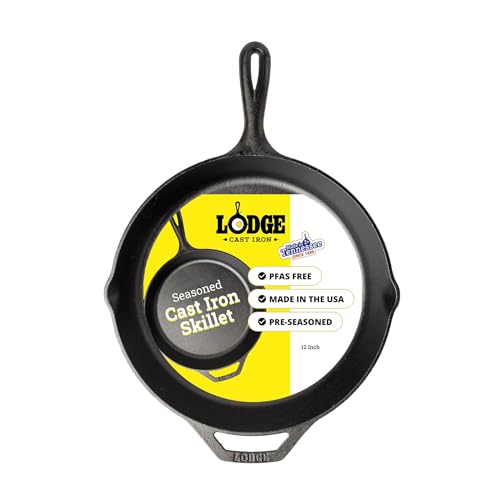
| Lodge Pre-Seasoned Cast Iron Skillet, PFAS-Free, 12 Inches | Maximum surface area, family cooking | n/a |
How We Picked
We evaluated each piece on four criteria: size-to-use-case fit (a 12-inch skillet on a two-burner stove behaves differently than on a range), finish practicality (raw pre-seasoned versus enamel changes cleaning routines fundamentally), set completeness versus redundancy (whether every included piece earns cabinet space), and price per functional unit. Owner feedback from Lodge’s product pages and retail listings informed the con reporting, since long-term seasoning behavior and enamel chipping are things specs sheets never capture.
The 8 Best Lodge Cast Iron Cookware Website in 2026
Lodge Cast Iron 5-Piece Set, PFAS-Free Pre-Seasoned Kitchen Set
Who it’s for: A new household assembling its first serious cookware collection without paying piece-by-piece premiums. At $99.9 for five PFAS-free, pre-seasoned pieces, the per-unit cost lands well below buying individually.
- Pro: The PFAS-free pre-seasoning means no chemical coatings, and the initial layer is functional out of the box, reducing the steep learning curve of raw seasoning.
- Pro: Five pieces cover frying, sautéing, and baking in a single purchase, eliminating the decision fatigue of building a set incrementally.
- Con: Owner feedback notes that not every piece in the set gets equal use; some buyers report a smaller skillet or griddle sitting unused while the others rotate weekly.
When to skip: If you already own a Lodge skillet and only need to expand one size, buying the individual piece is cheaper and avoids redundant cabinet weight.
Lodge Pre-Seasoned Cast Iron Skillet Set, 8, 10.25 and 12 Inches
Who it’s for: A cook who regularly switches between single-portion eggs and sheet-pan dinners for four or more. The three-size ladder at $64.9 is the lowest cost per skillet in this roundup.
- Pro: Three graduated diameters mean you rarely heat a 12-inch pan for two eggs, saving energy and reducing the risk of hot spots on smaller portions.
- Pro: At this price point, no other Lodge offering delivers three functional skillets for under $65, making it the clearest value proposition in the lineup.
- Con: All three pieces are pre-seasoned but not PFAS-free, so owners who prioritize chemical-free coatings should look at the 5-piece set instead.
When to skip: If your storage space is genuinely tight, three skillets of varying diameter consume more vertical room than one versatile 12-inch.
Lodge Essential Enamel Cast Iron Braiser, 3.6 Quart, Lagoon
Who it’s for: Someone who braises short ribs, thighs, or hearty stews in modest volumes and wants a color that doubles as a serving vessel. The 3.6-quart capacity hits the sweet spot for two-to-four portions.
- Pro: The enamel interior eliminates the acidic-food restriction that raw cast iron imposes, so tomato-based braises and wine reductions are safe.
- Pro: The Lagoon finish and integrated lid design mean it goes from stove to table without transfer, reducing dish count after a meal.
- Con: At $79.9, it costs more than the entire three-skillet set, and owners report that enamel interiors require gentler cleaning than seasoned surfaces—no abrasive pads.
When to skip: If you cook primarily with dry heat (searing, baking), a standard skillet does the job at half the price.
Lodge Essential Enamel Cast Iron Dutch Oven, 6 Quart, Island Spice Red
Who it’s for: A household that makes soup in batches, bakes no-knead bread, or needs a single vessel for one-pot pasta. Six quarts is the most requested capacity in the enameled category.
- Pro: The 6-quart volume accommodates a full loaf of no-knead bread or six-plus servings of stew with room for stirring, a size most competitors price well above $72.99.
- Pro: Enamel coating means no seasoning maintenance, and the tight-fitting lid returns moisture effectively for braised dishes.
- Con: Enamel surfaces are prone to chipping around the rim if knocked against a stovetop edge, and Lodge’s enamel warranty terms are narrower than their seasoned cast iron coverage.
When to skip: If your stove is electric with small-diameter elements, the wide base of a 6-quart dutch oven may not make full contact, slowing heat transfer.
Lodge Cast Iron Baker’s Favorite 6-Piece Set, Made in the USA
Who it’s for: A home baker who wants dedicated cast iron for cornbread, biscuits, and small cakes rather than adapting a skillet for every bake. Six pieces cover the most common baking formats.
- Pro: Made in the USA appeals to buyers who prioritize domestic manufacturing, and the dedicated baking shapes (cornbread pan, skillet, loaf pan) outperform improvised substitutes.
- Pro: At $99.9 for six pieces, the per-item cost is competitive, and cast iron’s heat retention produces the crust texture that thin aluminum pans simply cannot replicate.
- Con: Owners note that the baking-specific shapes store awkwardly compared to round skillets, and the set requires more seasoning care because baked goods leave residue that raw cast iron retains stubbornly.
When to skip: If you bake infrequently or only once-a-year cornbread, a single Lodge skillet handles the job without six pieces of storage burden.
Lodge Pre-Seasoned Cast Iron Skillet with Silicone Handle Holder, 12 Inches
Who it’s for: A cook who uses a 12-inch skillet daily and finds the bare iron handle uncomfortable or unsafe when reaching across a hot burner. The silicone sleeve is a genuine convenience upgrade at $34.9.
- Pro: The silicone handle holder stays cool to the touch, reducing the need for a folded towel or oven mitt when maneuvering a full, heavy skillet.
- Pro: At $34.9, it costs marginally more than the plain 12-inch alternative, making the comfort feature essentially free in practical terms.
- Con: Silicone degrades over time near high-heat elements, and owners report that the sleeve can loosen or melt if the skillet sits on an open burner with the handle angled into the flame.
When to skip: If you routinely transfer the skillet between stovetop and oven, the silicone piece may limit safe oven temperatures or require removal each time.
Lodge Pre-Seasoned Cast Iron Skillet, PFAS-Free, 10.25 Inches
Who it’s for: A one-to-two person household that wants the PFAS-free assurance without the $34.9 jump to a 12-inch. At $24.9, it is the least expensive entry point in this entire roundup.
- Pro: PFAS-free pre-seasoning at the lowest price means you get Lodge’s newer, cleaner coating without paying a premium for size you may not use.
- Pro: The 10.25-inch diameter fits standard oven racks and small stovetops more easily than a 12-inch, which matters in apartments or RV kitchens.
- Con: Owners cooking for three or more consistently report that 10.25 inches forces batch cooking, adding time to meals that a 12-inch eliminates in a single pass.
When to skip: If you regularly feed a family or meal-prep for multiple days, the 12-inch version earns its $10 premium quickly by reducing cook cycles.
Lodge Pre-Seasoned Cast Iron Skillet, PFAS-Free, 12 Inches
Who it’s for: Anyone who wants the maximum cooking surface in Lodge’s current PFAS-free line for family dinners, meal prep, or restaurant-style searing without worrying about coating chemicals.
- Pro: The 12-inch surface accommodates four bone-in chops or a full sheet of pancakes in one go, reducing total cook time and fuel use compared to smaller diameters.
- Pro: PFAS-free pre-seasoning means no synthetic coating concerns, and the skillet is compatible with metal utensils and high-heat cooking without degradation worries.
- Con: At twelve inches and substantial weight when full, it is genuinely difficult for anyone with limited grip strength or a small stove to handle safely without a lid or assist.
When to skip: If your primary stove is a two-burner induction unit, the skillet’s diameter may overhang the element, producing uneven heating that defeats its size advantage.
Buying Guide
Raw Seasoned Versus Enameled: Maintenance and Versatility Trade-Off
Raw pre-seasoned cast iron requires oil-and-heat maintenance, cannot soak for hours, and reacts poorly to prolonged acidic cooking—but it tolerates open flames, metal spatulas, and temperatures far above enamel limits. Enameled Lodge pieces skip seasoning entirely and handle tomato sauce without flavor transfer, yet they demand gentler cleaning, resist abrasive tools, and carry a narrower thermal ceiling. Choose enamel if you prioritize convenience and acidic recipes; choose raw seasoned if you want durability at extreme heat and do not mind a weekly wipe-and-oil routine.
Diameter and Capacity Must Match Your Stove
A 12-inch skillet performs well on a 9-inch burner element but loses effectiveness on a 6-inch element, where the outer rim receives minimal direct heat. Similarly, a 6-quart dutch oven with a wide, flat base may wobble on small electric coils or sit unevenly on gas grates. Check your burner or grate dimensions before committing to the largest size that seems useful; a slightly smaller pan with full contact outperforms an oversized one with hot-spot problems.
Set Composition Versus Single-Piece Purchasing
Lodge sets advertise a bundled price that looks compelling until you count pieces you will never use. The 5-piece kitchen set and 6-piece Baker’s Favorite both save money on paper, but a buyer who only fries and bakes one recipe type per week may end up with three or four pieces collecting rust in the back of a cabinet. Calculate cost per piece you will touch monthly. If the answer exceeds what you would pay for a single skillet, skip the set.
Our Verdict
Top pick: The Lodge Pre-Seasoned Cast Iron Skillet Set in 8, 10.25, and 12 inches at $64.9 delivers the broadest functional range for the lowest cost in this lineup. Three graduated diameters cover virtually every stovetop task a home cook performs, and the price per skillet is unmatched.
Budget pick: The PFAS-free 10.25-inch skillet at $24.9 is the cheapest way to enter Lodge’s current, cleaner-coating line. If you cook for one or two, it replaces the need for a set entirely.
Conditional winner: If acidic cooking—tomato braises, wine reductions, citrus-glazed proteins—dominates your menu, the Enamel Dutch Oven at $72.99 beats every seasoned option because raw cast iron cannot safely handle those applications at the durations enameled pieces tolerate without issue.
FAQ
Is Lodge cast iron actually PFAS-free?
Lodge’s newer pre-seasoned skillets labeled PFAS-free use a proprietary seasoning process that avoids per- and polyfluoroalkyl substances. Not every Lodge product carries this designation, so check the specific item name rather than assuming the entire brand line qualifies.
Can I use metal utensils on enameled Lodge cookware?
You can, but with caution. Metal spatulas and whisks will not immediately destroy the enamel surface, yet repeated scraping along edges accelerates chipping over time. Most owners who use enameled Lodge pieces report switching to silicone or wood for daily tasks and reserving metal for scraping stubborn fond at high heat.
Why is Lodge cast iron so much cheaper than brands like Le Creuset?
Lodge manufactures in South Pittsburgh, Tennessee, with vertically integrated production that keeps overhead lower than imported enameled competitors. Their cast iron is also a simpler material than Le Creuset’s proprietary enamel blend, which involves additional formulation and quality-control costs. The price difference reflects manufacturing economics, not a categorical quality gap in heat retention or durability.
How do I restore a Lodge skillet that has become sticky or patchy?
Scrub the affected area with coarse salt and a stiff brush or chain-mail scrubber until the surface is uniform, dry thoroughly over low heat, then apply a thin film of high-smoke-point oil and bake upside down in a 450-degree oven for one hour. Repeat two to three times if the patchiness persists. This process is essentially re-seasoning and restores full non-stick behavior without chemical strippers.