Most cast iron owners hit the same wall. The skillet that once released eggs cleanly now grips everything in patches of gummy polymer, and the question “how to reseason a cast iron skillet” suddenly feels urgent. The real problem is not that cast iron is fragile — it is that the seasoning layer degrades unevenly from acidic cooking, abrasive scouring, or simple neglect, leaving a surface that is both sticky and bare in the same pan.
What separates a genuinely useful product from a disappointing one in this space is whether it actually helps you rebuild that polymer layer or simply adds another pan you never use. A good stripper or scrubber gets you back to bare iron quickly. A good skillet holds new seasoning smoothly without requiring a full oven cycle every weekend. The guides that earn attention are the ones that treat reseasoning as a repeatable maintenance step rather than an emergency salvage operation, and the 2026 lineup reflects that shift toward calmer, more systematic care.
Our top picks



As an Amazon Associate we earn from qualifying purchases at no extra cost to you.
Quick Picks
| Product | Best for | Price |
|---|---|---|
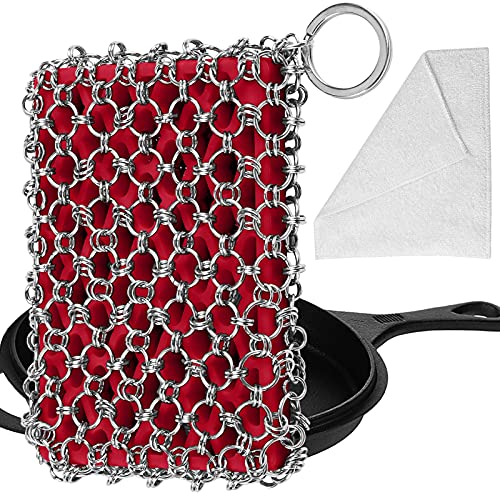
| Herda Chain Mail Scrubber | Stripping old seasoning without chemicals | $16.95 |
| Lodge Baker’s Skillet 10.25″ | Everyday cooking that doubles as reseasoning | $24.9 |
| HAWOK Enameled Skillet | Beginners who want non-stick from day one | $12.99 |
| Lodge 5-Piece Set | Building a full collection at once | $99.9 |
| Cast Iron Sticky Seasoning | Learning the technique before buying gear | $4.99 |
| Cast Iron Mini Skillet 6.3″ | Small servings and quick reseason cycles | $12.99 |
| Stargazer 12-Inch | Premium smooth surface that holds seasoning | $157.5 |
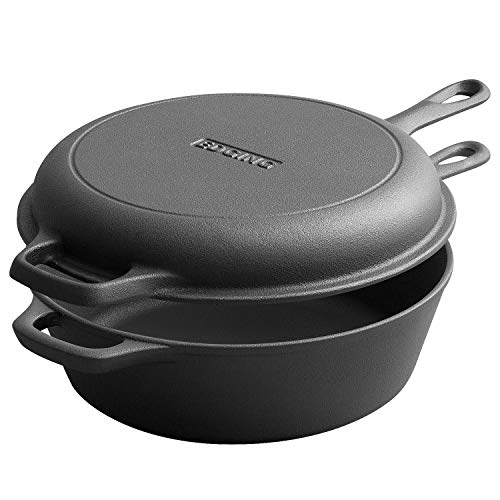
| EDGING CASTING 2-in-1 Dutch Oven | Camp cooking with multi-function pieces | $37.99 |
How We Picked
We weighed four criteria: whether the product addresses a specific stage in the reseasoning process (stripping, building, maintaining), how forgiving the surface is for a home cook working without professional-grade equipment, the value proposition relative to comparable options at that price tier, and whether owner feedback describes real long-term seasoning performance rather than just initial unboxing impressions.
The 8 Best How To Reseason A Cast Iron Skillet in 2026
1. Herda Chain Mail Scrubber
This is the tool for the moment you look at a patchy, gummy skillet and decide to start over. The 316L stainless chain mail glides across the cooking surface and lifts old polymer without the pitted micro-scratches that coarse steel wool leaves behind, which matters because those scratches become anchor points for future buildup. Owners report it removes stubborn residue in a fraction of the time salt-and-potato methods require. It is dishwasher-safe and stores flat. The con: it cannot reach the sloped walls of deeper pans easily, so you still need a different tool for the sides. Skip this if your skillet is only lightly sticky and you have not yet tried the hot-water-and-bristle approach first.
2. Lodge Baker’s Skillet 10.25″
Lodge’s pre-seasoned baker’s skillet fills the gap between a standard frying pan and a baking dish, and its sloped sides make it easy to scrape and re-oil without lifting the whole pan into an oven rack. The integrated seasoning holds up to stovetop maintenance — thin oil, heat, repeat — which is where most home cooks actually rebuild a surface. Pros: the pour spouts reduce drip when you tilt for an oil coat, and the matte finish hides minor seasoning inconsistency during early use. Con: the rougher pre-seasoned texture means the first several meals stick until you build it in yourself. Skip if you want instant-release performance out of the box.
3. HAWOK Enameled Cast Iron Skillet
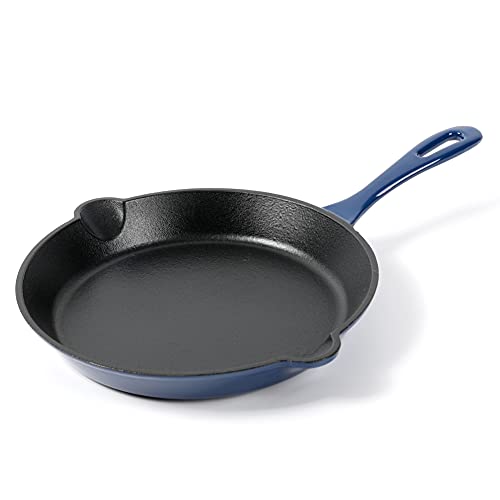
Enamel is technically the opposite of seasoning, but this blue 10-inch skillet earns a spot because it solves the beginner’s core fear: ruining a bare iron surface beyond recovery. The glass coating needs no oil curing, no oven cycles, and no worry about rust between cooks. Pros: it cleans like a non-stick pan and the handle cover stays cool on stovetops. Con: once the enamel chips, you cannot reseason it like raw iron, so the relearning window is short. Skip if your goal is specifically to practice traditional reseasoning technique, since this pan sidesteps the process entirely.
4. Lodge Cast Iron 5-Piece Set
Buying five pieces at once lets you treat reseasoning as a rotation rather than a single-pan crisis. While one skillet is in the oven, another handles dinner, and the Dutch oven gives you a wet-heat cooking vessel that actually protects its seasoning through braising. Pros: PFAS-free pre-seasoning is consistent across all pieces, and the set price per item is lower than buying individually. Con: you inherit five different sizes to learn, and the smallest pieces often go unused once your habits settle. Skip this if you already own a functional skillet and only need one replacement — the set is only efficient if you are genuinely starting fresh.
5. Cast Iron Sticky Seasoning (Book)
This guide earns its place because it addresses the mental block that stops most reseasoning attempts: the fear that the pan is permanently ruined. The “calm ladder” approach walks readers from the least aggressive fix (heat and a paper towel) through full strip-and-rebuild without jumping straight to self-clean cycles that warp thin pans. Pros: it costs less than a bottle of flaxseed oil and covers the sticky-polymer problem specifically, which most general cast iron guides gloss over. Con: the narrow scope means you will still need a reference for seasoning chemistry or troubleshooting rust. Skip only if you already have a well-worn copy of a comprehensive cast iron manual.
6. Cast Iron Mini Skillet 6.3″
The 6.3-inch diameter makes this pan ideal for quick reseason cycles because it fits on a stovetop burner, heats evenly in minutes, and requires less oil to coat fully. You can build usable seasoning through daily small meals — a fried egg, a portion of cornbread — rather than dedicating a weekend to the oven. Pros: the kadhai-style curve concentrates oil at the center for easier maintenance, and it stores in tight spaces. Con: it cannot serve as a primary cookware piece for households, so it functions more as a practice pan. Skip if your main skillet is fine and you are not actually trying to learn the technique.
7. Stargazer 12-Inch Cast Iron Skillet
Machined-smooth cooking surfaces change the reseasoning conversation because they start close to non-stick out of the gate. The Stargazer 12-inch eliminates the rough-cast texture that causes initial sticking on budget pans, so you build a thin, even polymer layer rather than filling in pits and valleys first. Pros: American-made with a consistent thickness that heats evenly for stovetop reseasoning, and the smooth surface means less oil waste per coat. Con: the premium price means a single mistake in care feels costlier, and the pan is heavy enough to make oven cycles awkward without a sturdy rack. Skip if your budget does not stretch beyond a Lodge — the reseasoning difference is real but incremental relative to the price jump.
8. EDGING CASTING 2-in-1 Dutch Oven with Skillet Lid
The lid doubles as a 10-inch skillet, so you get two reseasoning surfaces in one purchase. The pot side handles braising and baking, while the flat lid functions as a fry pan on stovetop burners or camp grates. Pros: the two-in-one design reduces clutter and the 3-quart capacity suits small households or outdoor cooking. Con: the skillet lid lacks a pour spout, which makes oil application messier than on a dedicated pan. Skip if you cook indoors exclusively and already own a flat-bottomed skillet — the camping utility justifies this set only when you need both roles.
Buying Guide
Surface Texture Determines Your Starting Point
Rough sand-cast surfaces (Lodge standard, EDGING CASTING) require multiple thin coats before food releases cleanly, so plan for two to four maintenance sessions in the first month. Machined-smooth surfaces (Stargazer) accept seasoning more evenly and reach usable non-stick performance faster. If your existing skillet is rough and sticky, the Herda scrubber gets you to bare iron in one pass, and your rebuild begins from zero regardless of surface type.
Size Affects How You Reseason
Pans under 8 inches (the mini skillet, HAWOK) fit on standard burners for stovetop seasoning without oven racks. Pans at 10 to 12 inches usually need an oven because burner coverage is incomplete, which adds cleanup and energy cost per cycle. The right size depends on whether your reseasoning strategy is “maintain after every cook” (favor small) or “strip and rebuild occasionally” (any size works if you have oven access).
Pre-Seasoned Does Not Mean Fully Seasoned
Every pre-seasoned pan in this list ships with a thin industrial coating that protects during shipping and provides minimal release. Owner reviews on Lodge products frequently note initial sticking for the first several uses. Plan to do at least one home stovetop or oven reseason before expecting reliable performance, regardless of the “pre-seasoned” label.
Our Verdict
The Lodge Baker’s Skillet 10.25″ is the top pick because it balances accessible price, forgiving shape for maintenance work, and a size that handles real meals while you build seasoning. The Cast Iron Sticky Seasoning book at $4.99 is the best budget starting point — it teaches the method before you spend on gear. The Stargazer 12-inch wins outright if your budget allows and you want to skip the rough-cast learning curve entirely.
FAQ
Can I reseason a cast iron skillet without stripping it first?
Yes, if the existing layer is intact but slightly sticky. Apply a thin coat of oil to a clean, hot pan and let it polymerize on stovetop for two to three minutes. Repeat once. This builds over the old layer and often restores release without a full strip.
How often do I need to reseason cast iron?
Most owners who cook with oil-based fats regularly rarely need more than a light stovetop touch-up once or twice a month. Full strip-and-rebuild becomes necessary only after prolonged rust, chemical damage, or heavy gummy buildup that scraping does not resolve.
Is chain mail better than a scraper for stripping seasoning?
Chain mail removes polymer more evenly and leaves a smoother bare surface, which means your new seasoning bonds more uniformly. Scrapers can dig into the iron and create grooves that trap oil. If you strip frequently, the scrubber is worth its price.
Do enamel cast iron skillets need reseasoning?
No. The glass coating is inherently non-stick and inert, so seasoning does not bond to it. If the enamel chips, reseasoning the exposed iron underneath is possible but cosmetically imperfect, and most owners simply replace the pan once that happens.