Key takeaways
- Choosing between a top-mount and undermount bathroom sink is less about which style looks better in a showroom and more about what you want to pay, clean, repair, and live with for the next several years. The installation method affects…
What's inside
Choosing between a top-mount and undermount bathroom sink is less about which style looks better in a showroom and more about what you want to pay, clean, repair, and live with for the next several years. The installation method affects countertop requirements, labor time, cabinet access, caulk maintenance, usable counter space, and the likelihood of needing professional help.
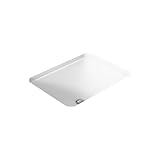
Top-mount sinks, also called drop-in or self-rimming sinks, sit on top of the vanity counter with a visible rim. Undermount sinks attach beneath the countertop, creating a continuous surface that makes it easier to sweep water and debris into the basin. The best choice depends on whether your priority is a lower initial cost and simpler replacement or a streamlined look with easier daily cleanup.
As an Amazon Associate we earn from qualifying purchases at no extra cost to you. Product prices and availability are accurate as of the date shown and are subject to change.


Quick Verdict
Choose a top-mount sink if you want the simplest, most forgiving installation. It works with more countertop materials, hides small cuts or edge imperfections, and can often be replaced without removing the vanity top. Typical installed cost is about $200 to $700, depending on the sink, faucet changes, plumbing adjustments, and local labor rates.
Choose an undermount sink if you are installing a new stone, quartz, or solid-surface countertop and want a cleaner appearance. It generally costs more because the countertop needs a precise finished cutout and the sink must be securely supported below the surface. A typical installed range is about $350 to $1,000, with custom countertops or plumbing changes potentially pushing the total higher.
For most bathroom remodels, the countertop decision should come first. An undermount sink is usually unsuitable for laminate tops unless the top is specifically designed and sealed for that installation. A top-mount sink offers much greater flexibility.
Side by Side
| Factor | Top-Mount Sink | Undermount Sink |
|---|---|---|
| Installation comfort | Generally easier; the sink drops into the cutout from above | More demanding; requires accurate support, sealing, and countertop access |
| Durability | Very durable when the rim is properly sealed and supported | Very durable with a strong adhesive and mechanical support system |
| Typical sink price | About $50–$300 | About $100–$400 |
| Typical installed price | About $200–$700 | About $350–$1,000 |
| Maintenance | Clean the bowl and periodically refresh caulk around the rim | Easy counter cleanup, but inspect the concealed seam and supports |
| Space needed | Uses a visible rim, often 1–2 inches around the opening | Preserves more usable counter area around the basin |
| Look | Traditional, practical, and available in many shapes | Streamlined, contemporary, and visually integrated |
| Resale appeal | Broadly acceptable, especially in budget-conscious bathrooms | Often more appealing in upgraded or modern bathrooms |
| Best for | Rentals, quick replacements, laminate counters, and tight budgets | New vanities, stone counters, accessibility-minded cleanup, and long-term homes |
Where Top Mount Wins
The biggest advantage of a top-mount sink is installation simplicity. A properly sized basin can be lowered into a countertop opening, secured with clips, and sealed around the rim. Because the rim covers the cut edge, the opening does not need the same highly finished appearance required for an undermount sink. That can reduce fabrication time and make a replacement project more predictable.
This style also works with a wider range of materials. Laminate, tile, wood, cultured marble, and solid-surface counters can often accommodate a top-mount sink, provided the opening and sealing details are appropriate. It is particularly useful when replacing a cracked or outdated basin while keeping the existing vanity top.
Repairs are usually less complicated, too. If the sink is damaged, a plumber or experienced DIYer can disconnect the drain and faucet, cut through the seal, release the clips, and lift the basin out. An undermount replacement may require countertop removal, new support hardware, or a sink with nearly identical dimensions.
The tradeoff is the exposed rim. Water, toothpaste, hair, and dust can collect where the rim meets the counter. The joint is not difficult to clean, but old or failed caulk can allow moisture into the cabinet or countertop edge. A top-mount bowl can also reduce the uninterrupted counter area by roughly 1 to 2 inches around its perimeter, depending on the design.
Top-mount installation overhead is often lowest when the existing cutout matches the new sink. Expect roughly one to three hours for a straightforward replacement, excluding unexpected plumbing problems. New faucet holes, a corroded shutoff valve, or a drain that does not line up can add labor.
Where Undermount Bathroom Sink Installation Overhead Wins
Undermount sinks create the cleanest transition between counter and basin. There is no raised lip to interrupt wiping, so water and loose debris can be pushed directly into the bowl. That is especially convenient for households that clean the vanity frequently or use the counter for grooming products.
The style can also make a small vanity feel less visually crowded. Although the basin still occupies the same cabinet footprint, removing the visible rim leaves more usable counter surface around it. A typical rectangular bathroom sink may measure about 18 to 23 inches wide and 14 to 18 inches front to back, so even a modest rim reduction is noticeable on a narrow 24-inch vanity.
The installation overhead is higher because the countertop cutout must be precise and finished. Stone, quartz, and solid-surface tops usually require a fabricator to cut, polish, and sometimes reinforce the opening. The sink is then attached underneath with a compatible adhesive, clips, brackets, or a combination of methods. The countertop must remain stable while the adhesive cures, and the drain assembly needs careful alignment.
Mechanical support matters, particularly with heavy porcelain, fireclay, or cast-iron basins. Adjustable support legs can help carry the sink’s weight instead of relying only on adhesive. For reference, an Undermount Sink Brackets adjustable stainless steel support legs kit is listed at $29.99, while Snowtaros Undermount Sink Brackets, sold as a two-pack, are listed at $33.24. These are installation accessories, not substitutes for following the sink and countertop manufacturer’s instructions.
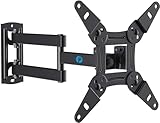
Do not confuse these brackets with unrelated wall-mount hardware. A Pipishell Full Motion TV Wall Mount for Echo Show 21/15 and 13- to 43-inch screens is listed at $15.98, and an Amazon Basics Full Motion Articulating TV Wall Mount for 26- to 55-inch televisions is listed at $20.99. Neither product is designed to support a bathroom sink or countertop.
Undermount sinks are also less forgiving during replacement. The new basin must fit the existing opening, and the countertop may need to be removed to access the attachment points. That is why undermount bathroom sink installation overhead makes the most sense during a full vanity or countertop renovation rather than as an isolated upgrade.
Cost Over 5 Years
Initial price is only part of the comparison. A basic top-mount sink may cost $50 to $150, with midrange models commonly reaching $150 to $300. Add approximately $100 to $400 for labor and related plumbing work, and the first-year total often lands between $200 and $700.
An undermount basin commonly costs $100 to $400. Countertop fabrication, support hardware, sealing, and labor can add $250 to $700 or more, producing a first-year total of roughly $350 to $1,000. Custom stone work, faucet relocation, or difficult cabinet access can increase that range.
Over five years, routine cleaning costs are nearly identical. Budget around $10 to $30 for appropriate cleaner and replacement caulk or sealant when needed. A top-mount sink may need a visible rim recaulked every few years, while an undermount sink requires periodic inspection of the concealed seam and support system. Neither style should be expected to need replacement within five years when installed correctly, so the practical difference is usually upfront cost and repair convenience rather than ongoing expense.
Which One for Your Home
Small apartment
Choose a top-mount sink if you are working with a 24-inch vanity, a laminate counter, or a strict renovation budget. Its forgiving rim simplifies replacement and protects the cut edge. If you own the apartment and are upgrading to quartz, an undermount can make the compact counter feel more open, but the added fabrication cost may not deliver enough benefit for a short stay.
Family with kids or pets
An undermount sink is usually the easier daily-cleaning choice. Water, soap residue, and hair can be swept into the bowl without catching on a rim. However, insist on proper support and sealing. A top-mount sink is still a sound option if children frequently lean on the counter or if a quick, inexpensive replacement matters more than a seamless appearance.
Rental property
Top-mount is the practical default. It fits more countertop types, is easier to replace after damage, and keeps labor costs more predictable between tenants. Select a common size, such as a 19- to 22-inch basin, so future replacement is less likely to require a new countertop cutout.
Long-term home
Pick undermount when you are already installing a durable stone or quartz countertop and expect to stay for many years. The cleaner surface, stronger design impact, and improved everyday usability can justify the higher installation overhead. Pick top-mount if flexibility, future DIY replacement, or a traditional aesthetic is more important.
FAQ
Is an undermount bathroom sink more expensive to install?
Usually, yes. The sink itself may cost only $50 to $250 more, but precise countertop fabrication, support hardware, adhesive, and extra labor commonly add another $150 to $500 compared with a straightforward top-mount installation.
Can I install an undermount sink on a laminate countertop?
Standard laminate is generally not the best choice because moisture can reach the particleboard core at the exposed cut edge. Some specialty systems are made for undermount installation, but they must be designed, sealed, and installed according to the countertop manufacturer’s requirements.
Which sink is easier to replace?
A top-mount sink is easier to replace because the rim covers the cutout and the basin is accessible from above. An undermount replacement must match the existing opening closely and may require removing the countertop or vanity top to release the supports.
Does an undermount sink provide more cabinet space?
Not usually. Both styles occupy a similar area beneath the counter, and the drain location determines much of the usable cabinet space. Undermount sinks provide more uninterrupted counter space above, not necessarily more storage below.