Key takeaways
- Buy a scale and time your shots: aim for a 1:2 ratio (18g in, 36g out) in about 25-30 seconds.
- Preheat the portafilter and cup by running hot water through first; cold metal kills shot temperature.
- Start with a pressurized basket if your machine offers one, then graduate to a non-pressurized basket as your technique improves.
- Purge the steam wand before and after frothing to keep it clean and prevent milk from drying inside.
Pulling your first real shot of espresso at home is a small thrill, but the machine you choose decides whether that habit sticks or gathers dust. The espresso market in 2026 runs from $45 steam-driven starters to $800 prosumer machines with built-in grinders, and the right entry point depends on how far down the barista rabbit hole you plan to go.
This guide walks you through the machine types, the pressure and temperature basics that actually matter, and how to read the specs so you do not overpay for features you will never touch. We reference real models across the price range so you can anchor your budget to something concrete.
Our top picks



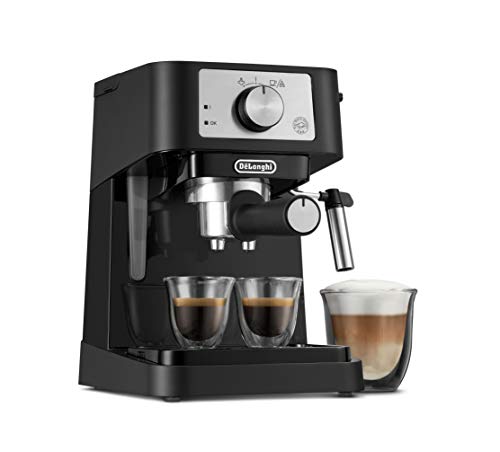 De'Longhi Stilosa Compact Manual Espresso Machine
- Please refer to user guide or user manual…
- Includes Portafilter, measuring scoop/tamper and two filters for…
- Stainless steel boiler is engineered to last long…

 Breville BES870BTR Barista Express Espresso Machine
- The powerful steam wand on this cappuccino maker…
- Integrated precision conical burr grinder on bean-to-cup espresso…
- Low pressure pre-infusion gradually increases pressure at the…
As an Amazon Associate we earn from qualifying purchases at no extra cost to you.
⚡ Save on Your Next PC — Amazon Prime
Prime members get fast free shipping on the systems above, plus early access to Prime Day & Black Friday PC deals. New members get a 30-day free trial.
Watch: Beginner’s Guide to Buying an Espresso Machine for Home Baristas — Video Review
Understand the Four Machine Types
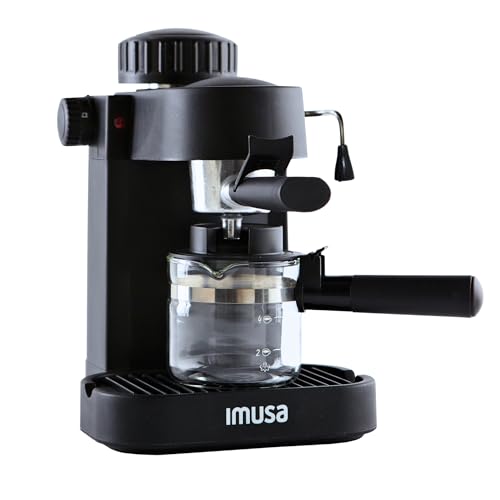
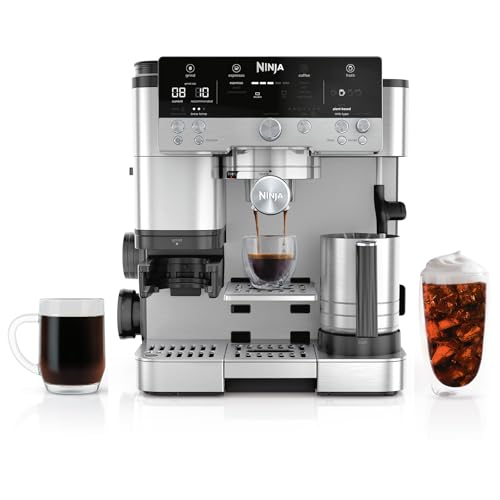
Espresso machines fall into four buckets. Steam-driven units like the IMUSA 4 Cup Electric Espresso Cappuccino Coffee Maker (around $47) are the cheapest but produce lower pressure. Pump-driven machines such as the De’Longhi Stilosa Compact Manual Espresso Machine ($120) hit the 9 bars espresso actually needs. Semi-automatics with integrated grinders like the Breville BES876 Barista Express Impress ($800) grind, dose, and tamp for you. All-in-ones like the Ninja Luxe Cafe Premier 3-in-1 ($599) also brew drip and cold brew.
Why 9 Bars of Pressure Matters
Proper espresso extraction happens at roughly 9 bars of pressure. Many budget machines advertise 15 or 20 bars, like the AMZCHEF 20 Bar Home Espresso Coffee Machine ($80) or the atatix 20 Bar Espresso Machine with Milk Frother ($111). That headline number is the pump’s maximum, not what reaches the puck. What you want is a machine that can consistently deliver stable pressure and heat, not the biggest bar figure on the box.
The Grinder Question
Freshly ground beans matter more than almost any machine feature. If your budget is tight, buy a pump machine plus a separate burr grinder rather than a fancy all-in-one. If you would rather keep it to one appliance, a grind-and-brew like the Breville Barista Express line bundles a conical burr grinder so you skip the extra purchase.
Milk Frothing for Lattes and Cappuccinos
If you drink milk-based coffee, check the steam wand. Manual wands on the De’Longhi Classic Signature Espresso Machine ($180) give you latte-art control but take practice; automatic frothers are more forgiving for beginners. Steam-only budget units froth slowly, so factor that into your morning routine.
Match the Machine to Your Ambition
Be honest about how involved you want to be. A $47-$120 machine is perfect for learning the ropes. Once you are dialing in grind size and shot times weekly, a $600-$800 semi-automatic like the Breville BES870 Barista Express in Black Truffle ($700) rewards that commitment with repeatable results.
Tips
- Buy a scale and time your shots: aim for a 1:2 ratio (18g in, 36g out) in about 25-30 seconds.
- Preheat the portafilter and cup by running hot water through first; cold metal kills shot temperature.
- Start with a pressurized basket if your machine offers one, then graduate to a non-pressurized basket as your technique improves.
- Purge the steam wand before and after frothing to keep it clean and prevent milk from drying inside.
Frequently Asked Questions
Is a 15 or 20 bar machine better than a 9 bar one?
Not necessarily. Nine bars at the puck is the target; higher bar ratings just describe the pump’s peak. Consistency of pressure and temperature matters far more than the advertised number.
Should beginners buy a machine with a built-in grinder?
It is convenient but pricier. If money is tight, a $100 pump machine plus a dedicated burr grinder often beats a cheap all-in-one on cup quality. If you value simplicity, the Barista Express bundles a solid grinder.
Can I make lattes on a cheap espresso machine?
Yes, but steam-driven budget units froth slowly and with less control. For better microfoam, look for a machine with a proper pump and steam wand like the De’Longhi Stilosa or Classic Signature.
How much should a first espresso machine cost?
Most beginners are well served in the $80-$180 range. Spend up to $600-$800 only once you know you enjoy the ritual and want grind-to-cup convenience or advanced control.
Conclusion
Start with a machine that matches your current curiosity, not your dream setup. A capable $100-$180 pump machine teaches you everything about grind, dose, and extraction, and if the hobby sticks you can graduate to a Barista Express later. Focus your money on pressure consistency and a decent grinder, and your home espresso will rival the cafe down the street in a few weeks of practice.