Key takeaways
- Material: PVC, polyurethane foam, fiberglass composite, or thin vinyl film. PVC and composite panels have real depth (3–10 mm of texture); vinyl decals are flat prints that look convincing only in photos.
- Thickness and texture: Panels under 2 mm thick read as flat from across the room. Panels with 4 mm+ relief cast real shadows — the single biggest realism factor.
- Heat rating: Anything installed behind a gas range should be rated to at least 120°F (49°C) continuous exposure, and building codes typically require 6–8 inches of clearance between open flame and a combustible surface.
- Seam design: Interlocking or staggered-edge panels hide joints; butt-edge panels show a repeating grid pattern that gives away the faux look immediately.
The best faux brick backsplash panels for most kitchens are peel-and-stick composite or PVC panels sized roughly 12″ × 12″ or 24″ × 24″ — they install in an afternoon, resist stovetop heat and moisture when properly sealed, and cost about $3–$8 per square foot. For renters, thin peel-and-stick vinyl tiles work best; for homeowners who want a realistic, permanent result, thicker 3D-textured PVC or polyurethane panels with a grout-line profile give the closest look to real brick at a fraction of the weight.
Our top picks
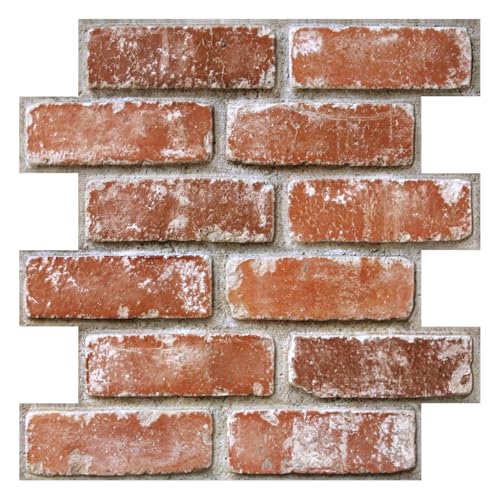 COMSTICKC 3D Faux Brick Wall Panels Peel
- 【Realistic 3D Brick Texture, SMALL BRICK SIZE】Our faux…
- 【Not Heavy Tile
- 【Water Resistant,Stronger Adhesive Backing】Made with water-resistant PVC material…
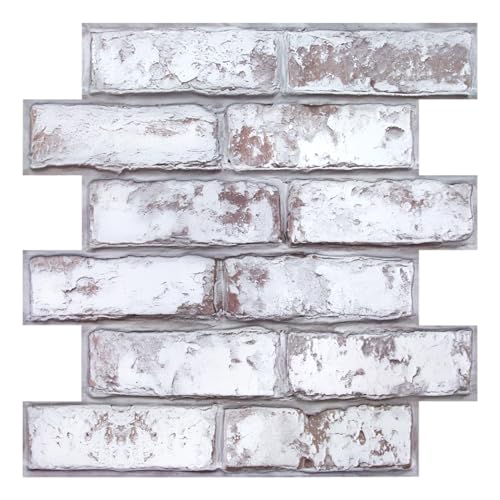 COMSTICKC 3D Peel and Stick Faux Brick
- 【Realistic 3D Brick Texture, SMALL BRICK SIZE】Upgraded 3D…
- 【Not Heavy Tile
- 【Easy Peel & Stick Installation】No grout, no mess,…
 Commomy 10 Pcs Peel and Stick Brick
- [Realistic 3D Brick Textures, Small Size Each Brick]…
- [UltraLight PVC & Flexible for Quick DIY Wall…
- [Water Resistant, Stronger Adhesive, Sticks Firmly] Peel &…
| Product | Key specs | |
|---|---|---|
| COMSTICKC 3D Faux Brick Wall Panels Peel | 【Realistic 3D Brick Texture, SMALL BRICK SIZE】Our faux… 【Not Heavy Tile 【Water Resistant,Stronger Adhesive Backing】Made with water-resistant PVC material… | Check price |
| COMSTICKC 3D Peel and Stick Faux Brick | 【Realistic 3D Brick Texture, SMALL BRICK SIZE】Upgraded 3D… 【Not Heavy Tile 【Easy Peel & Stick Installation】No grout, no mess,… | Check price |
| Commomy 10 Pcs Peel and Stick Brick | [Realistic 3D Brick Textures, Small Size Each Brick]… [UltraLight PVC & Flexible for Quick DIY Wall… [Water Resistant, Stronger Adhesive, Sticks Firmly] Peel &… | Check price |
 COMSTICKC 3D Faux Brick Wall Panels Peel | 【Realistic 3D Brick Textures, SMALL SIZE Each Brick】Our… 【Thin & Durable PVC Materials】Comstickc 3D Peel and… 【Heat and Water Resistant,Stronger Adhesive Backing】Our faux brick… | Check price |
As an Amazon Associate we earn from qualifying purchases at no extra cost to you.
What Separates a Good Panel From a Cheap One
Faux brick panels vary enormously in realism and durability. Four factors matter more than brand name:
- Material: PVC, polyurethane foam, fiberglass composite, or thin vinyl film. PVC and composite panels have real depth (3–10 mm of texture); vinyl decals are flat prints that look convincing only in photos.
- Thickness and texture: Panels under 2 mm thick read as flat from across the room. Panels with 4 mm+ relief cast real shadows — the single biggest realism factor.
- Heat rating: Anything installed behind a gas range should be rated to at least 120°F (49°C) continuous exposure, and building codes typically require 6–8 inches of clearance between open flame and a combustible surface.
- Seam design: Interlocking or staggered-edge panels hide joints; butt-edge panels show a repeating grid pattern that gives away the faux look immediately.
Panel Types Compared
| Panel type | Typical size | Thickness | Heat resistance | Moisture resistance | Price range (per sq ft) |
|---|---|---|---|---|---|
| Peel-and-stick vinyl tile (flat print) | 12″ × 12″ | 0.5–1 mm | Low — keep 12″+ from burners | Good (wipeable) | $1.50–$4 |
| 3D gel/epoxy peel-and-stick tile | 10″ × 10″ to 12″ × 12″ | 2–3 mm | Moderate — up to ~120°F | Excellent | $3–$7 |
| Rigid PVC composite panel | 24″ × 24″ to 24″ × 48″ | 4–10 mm | Good — rated ~130–150°F | Excellent (non-porous) | $4–$9 |
| Polyurethane/fiberglass faux brick panel | ~24″ × 48″ sheets | 10–25 mm relief | Good, but check rating — some are interior-decor only | Excellent | $6–$12 |
| Thin brick veneer on mesh backing | Varies; real clay ~½” thick | ~15 mm installed | Excellent — it’s real brick | Porous; needs sealer near sink | $8–$15 + mortar/grout |
One honest trade-off: the deeper the texture, the more convincing the look — but deep relief also traps grease near the stove. If you cook daily with oil, a 2–3 mm gel tile or smooth PVC panel cleans far faster than a 15 mm rough-textured panel.
Measuring and Cutting: What Actually Happens on Install Day
A standard backsplash run is 18 inches tall between countertop and upper cabinets, and most kitchens need 20–30 square feet of material. Here’s how each type cuts:
- Vinyl and gel tiles: Score with a utility knife and snap, or cut with scissors. Outlets take 2 minutes each.
- Rigid PVC panels: Score-and-snap for straight cuts; a jigsaw or oscillating multitool for outlet boxes and window corners. Cut outdoors — PVC dust is fine but persistent.
- Thick polyurethane panels: Require a jigsaw or circular saw with a fine-tooth blade; plan on painter’s tape over the cut line to prevent chipping the face texture.
Buy 10–15% extra material. Brick patterns must run in a consistent direction, so mistakes can’t be flipped or reused the way plain tile offcuts can.
Seams: The Make-or-Break Detail
Nothing reveals a faux backsplash faster than a visible 12-inch grid. To minimize seams:
- Choose panels with staggered or finger-jointed edges where the brick pattern continues across the joint, rather than square-cut edges.
- For small tile-format panels, dry-lay two rows before peeling any backing to confirm the brick courses align.
- On large sheets, run a thin bead of color-matched caulk or paintable seam filler along joints, then stipple it while wet to mimic mortar texture.
- Start installation at the most visible corner (usually near the range hood), not at a hidden edge — the eye goes to the center of the wall first.
Behind the Range: Heat and Appliance Realities
This is where faux brick installations most often fail. A few non-negotiables:
- Gas ranges: Maintain at least 6 inches between open flame and any PVC, vinyl, or polyurethane surface — and check your range manual, since many specify 8 inches for combustible materials. If your backsplash would sit closer, use a stainless steel or tempered glass panel behind the stove and faux brick elsewhere.
- Electric/induction ranges: Lower risk, but radiant heat still ages adhesives. Panels rated below 120°F may curl at the edges within a year or two.
- Behind the sink: Seal every edge where the panel meets the countertop with silicone caulk. Water wicking behind an adhesive panel is the #1 cause of peeling.
- Adhesive upgrade: For anything heavier than peel-and-stick vinyl, supplement with construction adhesive rated for the panel material — factory adhesive strips alone often fail over warm walls.
Which Panel Fits Your Situation
| Your situation | Best choice | Why |
|---|---|---|
| Renter, want it removable | Peel-and-stick vinyl or gel tiles | Removes with a hairdryer; minimal wall damage. Skip foam panels — their adhesive is permanent. |
| Homeowner, realistic look on a budget | Rigid PVC interlocking panels | Best realism-per-dollar; one 24″ × 48″ panel covers an 18″-high run in a single horizontal course. |
| Gas range, heavy daily cooking | Gel tiles + stainless panel behind burners | Meets clearance rules while keeping the brick look across the rest of the wall. |
| Want maximum realism, permanent | Thin brick veneer | Real clay texture and zero pattern repeat, but adds ~4–6 lbs per sq ft — verify wall can take the load and budget for mortar work. |
| Hate scrubbing grout lines | Shallow-texture PVC (under 4 mm relief) | Deep relief traps grease; shallow panels wipe clean in one pass. |
Quick FAQ
How long do peel-and-stick panels last in a kitchen?
Quality gel or PVC tiles typically hold 5–8 years on a properly cleaned, painted wall. Failures almost always trace to installing over dusty, glossy, or unpainted drywall — degrease and scuff-sand first.
Can faux brick go over existing tile?
Yes, if the old tile is flat, firmly bonded, and degreased. Grout lines deeper than ⅛ inch may telegraph through thin vinyl panels; fill them first or use a rigid panel that bridges them.
Is faux brick heat-safe behind a stove?
Only within its rating and required clearances. Vinyl decals are not heat-safe near flames at all; PVC composite panels rated to 130°F+ are fine on electric ranges with proper clearance. When in doubt, a small stainless insert behind the burners solves it cleanly.
FAQ
How long do peel-and-stick panels last in a kitchen?
Can faux brick go over existing tile?
Is faux brick heat-safe behind a stove?
More from Amazon
Programs that pair well with the guide above. Offers and eligibility are set by Amazon and may change.
Set up recurring deliveries of everyday items on eligible products. Terms and savings are set by Amazon.
Explore Subscribe & SaveCollect the home and kitchen items you want in one registry that guests can shop from.
Create a wedding registryFree shipping on eligible items, Prime Video and more. Eligible new members can start with a free trial.
Start a Prime free trialAudiobooks and podcasts to listen to on the go. Eligible new members can start with a free trial.
Try Audible freeAs an Amazon Associate we earn from qualifying purchases.