Key takeaways
- Run the dehumidifier during and shortly after showers for the biggest impact.
- Empty and rinse the tank regularly to prevent its own mold growth.
- Aim to keep bathroom humidity between 40 and 50 percent to discourage mildew.
- Pair the dehumidifier with an exhaust fan for the fastest drying.
Bathrooms are humidity factories. Hot showers dump moisture into the air, and without good ventilation that dampness lingers on walls, grout, and ceilings, feeding mold and mildew. A compact dehumidifier is an inexpensive way to keep a bathroom dry, protect your finishes, and stop that musty smell before it starts.
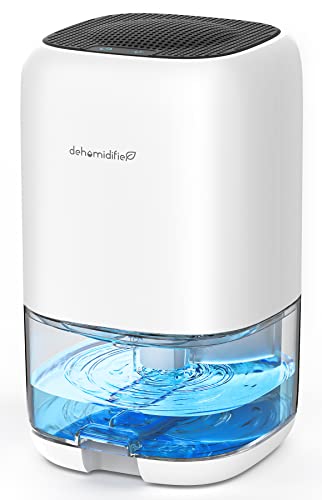
This guide explains how to size a dehumidifier to your bathroom, which features actually matter, and how to place and maintain the unit. Because bathrooms are small, a quiet compact model such as the TABYIK 35 OZ Dehumidifier is often all you need.
Our top picks




As an Amazon Associate we earn from qualifying purchases at no extra cost to you.
⚡ Save on Your Next PC — Amazon Prime
Prime members get fast free shipping on the systems above, plus early access to Prime Day & Black Friday PC deals. New members get a 30-day free trial.
Watch: How to Choose a Dehumidifier for Your Bathroom — Video Review
Match Capacity to Room Size
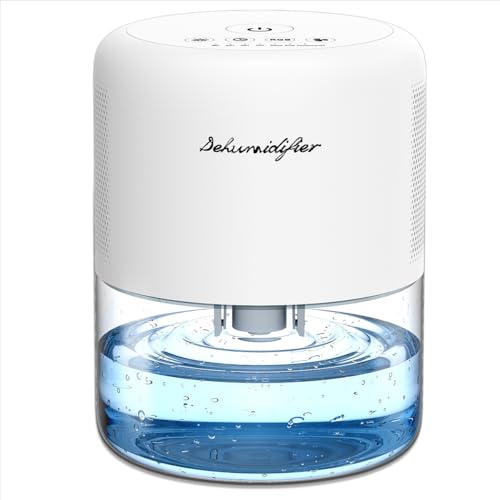
Dehumidifier tanks are sold by water capacity in ounces, and coverage is rated in square feet. A small powder room is well served by a 35 to 44 ounce unit, while a large primary bathroom or one prone to heavy condensation benefits from a 1000 square foot model like the PSOS 98 OZ or KeepGlad 98 OZ dehumidifier. Undersizing means constant emptying, so lean slightly larger if you shower often.
Prioritize Quiet Operation
Bathrooms are small and echoey, so noise matters. Look for thermo-electric or Peltier dehumidifiers, which run far quieter than compressor units and are perfect for a space where you want calm. The TABYIK and NeedDuck compact models are specifically designed to run quietly enough that you barely notice them.
Look for Auto Features
The best small dehumidifiers include auto shut-off when the tank fills, so you never come home to an overflow, and auto defrost to keep the unit working in cooler weather. Some, like the OWAAE model, add a sleep mode that dims lights and lowers noise at night. For a set-and-forget experience in a room you visit briefly, these automatic features are worth prioritizing.
Decide on Tank Versus Drain Hose
Most bathroom dehumidifiers collect water in a removable tank you empty by hand, which is fine for light use. If your bathroom stays very damp, choose a model with a continuous drain hose option, such as the UBBO 95 oz unit, so it can drain straight into the sink or shower and run indefinitely without emptying.
Place It Correctly
Set the dehumidifier on a flat surface with airflow around the intake and exhaust, ideally near the shower where moisture is heaviest but safely away from direct water spray. Keeping it a few inches from the wall improves circulation and helps it pull down humidity faster.
Tips
- Run the dehumidifier during and shortly after showers for the biggest impact.
- Empty and rinse the tank regularly to prevent its own mold growth.
- Aim to keep bathroom humidity between 40 and 50 percent to discourage mildew.
- Pair the dehumidifier with an exhaust fan for the fastest drying.
Frequently Asked Questions
What size dehumidifier do I need for a bathroom?
A 35 to 44 ounce compact unit suits most bathrooms, while large or very damp bathrooms benefit from a 98 ounce, 1000 square foot model. Match capacity to how often and how long you shower.
Are small dehumidifiers loud?
Thermo-electric compact models are very quiet, which makes them ideal for bathrooms. Compressor units move more water but produce noticeably more noise.
How often will I empty the tank?
That depends on humidity and tank size, ranging from every day or two in damp conditions to weekly in drier climates. A drain-hose model removes emptying entirely.
Do I still need an exhaust fan if I have a dehumidifier?
Yes, they complement each other. The exhaust fan removes steam during the shower and the dehumidifier keeps residual humidity low afterward.
Conclusion
Choosing a bathroom dehumidifier comes down to matching tank capacity to your room, favoring quiet operation, and letting auto shut-off and defrost handle the routine. Get those right and you will have a dry, fresh bathroom with far less mold, mildew, and that damp musty smell.