Key takeaways
- Spray a foaming bathroom cleaner, such as a Scrubbing Bubbles foamer, across the walls and floor of the tub.
- Apply a mold stain remover gel directly onto discolored caulk lines and let it sit; the gel clings so bleach stays in contact with the stain.
- Give cleaners 5-10 minutes of dwell time. This is where the real work happens, and it means less scrubbing for you.
A bathtub collects grime in ways you do not notice day to day: soap scum films the sides, mineral deposits ring the waterline, and mildew creeps into the caulk and around the drain. A quick wipe never reaches any of it. A proper deep clean, done a few times a year, restores the surface, clears buildup that dulls the finish, and stops mold before it becomes a permanent stain.
The good news is that it does not take harsh scrubbing or exotic chemicals, just the right products, the right order, and a little dwell time to let cleaners do the work. This guide walks through a complete deep-clean method and the tools that make it faster and easier in 2026.
Our top picks


As an Amazon Associate we earn from qualifying purchases at no extra cost to you.
⚡ Save on Your Next PC — Amazon Prime
Prime members get fast free shipping on the systems above, plus early access to Prime Day & Black Friday PC deals. New members get a 30-day free trial.
Watch: How to Deep Clean Your Bathtub: Tips and Recommended Products — Video Review
Gather the Right Products First
Deep cleaning goes faster when everything is ready. You will want a foaming bathroom spray for soap scum, a mold and mildew remover gel for stubborn caulk and grout stains, a long-handled scrub brush to save your knees, and a non-scratch pad or eraser for the tub surface. Matching the product to the mess is half the battle.
Step One: Clear and Rinse
Remove bottles, mats, and toys, then rinse the tub with hot water to loosen surface grime and open the pores of any soap scum. Hot water also helps sprays cling and penetrate, so this simple first step makes everything after it more effective.
Step Two: Apply Cleaner and Let It Dwell
- Spray a foaming bathroom cleaner, such as a Scrubbing Bubbles foamer, across the walls and floor of the tub.
- Apply a mold stain remover gel directly onto discolored caulk lines and let it sit; the gel clings so bleach stays in contact with the stain.
- Give cleaners 5-10 minutes of dwell time. This is where the real work happens, and it means less scrubbing for you.
Step Three: Scrub Smart, Not Hard
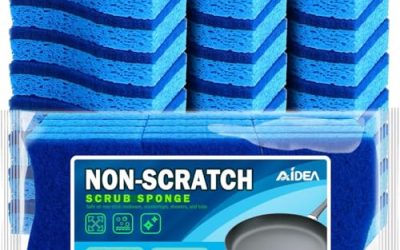
Use a long-handled scrubber like the Qaestfy tub brush with a non-scratch pad to work the surfaces in overlapping strokes. For stuck-on spots, a Magic Eraser tub scrubber lifts scum with minimal pressure. Do not use abrasive pads on acrylic or fiberglass, which scratch easily and trap future grime.
Step Four: Detail the Drain, Jets, and Fixtures
Use a flexible bendable drain brush to clear hair and gunk from the drain, and a small shower-head cleaning brush for clogged nozzles and fixture crevices. These narrow tools reach the spots a big brush cannot, which is often where odor and slow drainage originate.
Tips
- Ventilate the bathroom and wear gloves whenever using bleach-based gels or sprays.
- Never mix bleach and ammonia or vinegar products; the fumes are dangerous.
- Rinse thoroughly so cleaner residue does not leave a film or become slippery.
- Do a quick weekly wipe so deep cleans stay easy and infrequent.
Frequently Asked Questions
How often should I deep clean my bathtub?
A thorough deep clean every one to three months keeps buildup manageable, with a light weekly wipe in between. High-use tubs or hard-water homes may need the deep clean on the shorter end of that range.
What removes soap scum best?
A foaming bathroom cleaner with dwell time dissolves most soap scum, and a Magic Eraser or non-scratch pad handles what remains. The key is letting the product sit before you scrub rather than attacking it dry.
How do I get rid of mold in the caulk?
Apply a clinging mold stain remover gel directly to the discolored caulk and leave it for the time on the label. The gel holds bleach against the stain long enough to lift it. Badly degraded caulk may need to be removed and re-sealed.
Is it safe to use bleach on my tub?
Diluted bleach cleaners are safe on most tubs when used with ventilation and gloves, but always spot-test colored or stone surfaces and never combine bleach with other chemicals.
Conclusion
A clean bathtub is really about method: clear and rinse, apply the right cleaner, give it time to work, then scrub smart with the correct tools. Keep a foaming spray, a mold gel, a long-handled brush, and a few narrow detail brushes on hand, and a job that once felt like a workout becomes a quick, satisfying reset for your bathroom.