Key takeaways
- Wear gloves even with natural cleaners to protect your skin during scrubbing.
- Clean under the rim where jets hide, since that is where bacteria and stains accumulate.
- Never mix vinegar with bleach or any chlorine product, which creates toxic gas.
- Do a quick swish once or twice a week to avoid the need for heavy scrubbing.
You do not need lung-stinging bleach fumes to get a genuinely clean toilet. Between natural acids like vinegar and citric acid, gentle abrasives like baking soda, and a new generation of eco-friendly cleaners, you can dissolve stains, kill germs, and keep the bowl fresh without harsh chemicals that irritate your skin and lungs or harm septic systems.
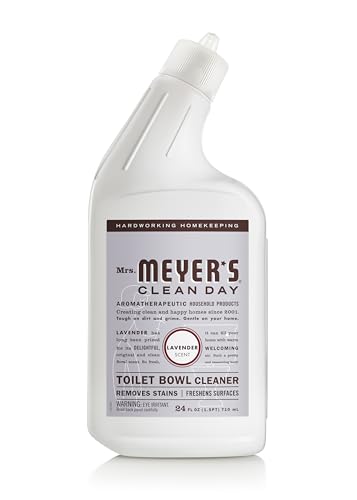
This guide covers the natural methods that work, the store-bought eco cleaners worth buying, and a maintenance routine that keeps stains from ever building up. Products like Mrs. Meyer’s Clean Day Toilet Bowl Cleaner prove you can be gentle and effective at the same time.
Our top picks




As an Amazon Associate we earn from qualifying purchases at no extra cost to you.
⚡ Save on Your Next PC — Amazon Prime
Prime members get fast free shipping on the systems above, plus early access to Prime Day & Black Friday PC deals. New members get a 30-day free trial.
Watch: How to Clean Your Toilet Bowl Without Harsh Chemicals — Video Review
The Baking Soda and Vinegar Method
The classic natural clean is also one of the most effective. Pour about one cup of white vinegar into the bowl and let it sit for several minutes to loosen mineral deposits, then sprinkle a half cup of baking soda around the bowl. The mild fizzing reaction lifts grime, and a few minutes of scrubbing with a brush removes most everyday stains. Finish by flushing to rinse.
Tackling Hard Water and Rust Stains
Stubborn rings from hard water or rust respond to acidity and time. Citric acid, either as a powder or in the form of eco tablets, dissolves mineral scale without scratching porcelain. Let an acidic cleaner dwell on the stain for 15 to 30 minutes before scrubbing. For chronic hard-water rings, a pumice stone made for toilets can remove buildup that liquids cannot.
Choose the Right Eco Cleaner
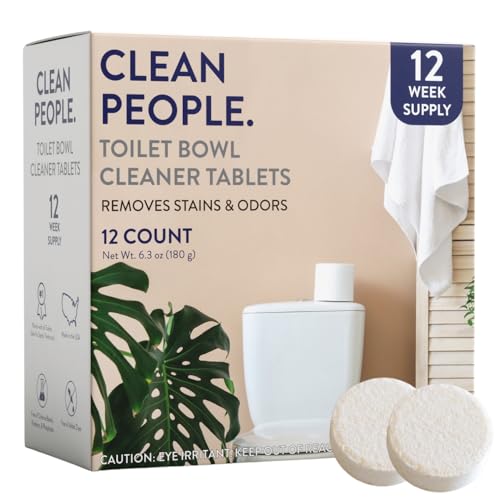
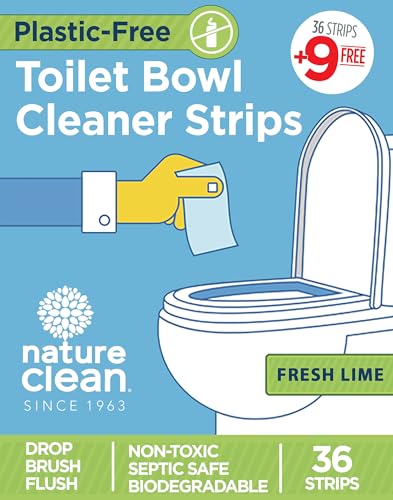
When you want the convenience of a bottle, plenty of plant-based cleaners perform well. Options such as Mrs. Meyer’s Clean Day in Lavender or Lemon Verbena and The Clean People eco tablets clean effectively while being septic safe and free of harsh bleach. Nature Clean’s plastic-free strips are a good pick if you also want to cut packaging waste.
Keep It Fresh Between Cleans
Prevention beats scrubbing. Drop-in tablets or continuous cleaners keep the bowl treated with every flush so stains never get a foothold. A gel like the Clorox bleach-free heavy-duty option or automatic drop-ins reduce how often you need to do a deep clean, which is the real secret to a low-effort, always-clean toilet.
Disinfect Naturally
To go beyond visual clean and reduce germs, let full-strength vinegar or a hydrogen-peroxide solution sit in the bowl for 10 to 15 minutes before scrubbing. Do not mix different cleaners together, even natural ones, and always ventilate the room for comfort.
Tips
- Wear gloves even with natural cleaners to protect your skin during scrubbing.
- Clean under the rim where jets hide, since that is where bacteria and stains accumulate.
- Never mix vinegar with bleach or any chlorine product, which creates toxic gas.
- Do a quick swish once or twice a week to avoid the need for heavy scrubbing.
Frequently Asked Questions
Does vinegar actually disinfect a toilet?
Vinegar reduces many bacteria and dissolves mineral stains, but it is not a registered disinfectant. For stronger germ-killing without bleach, use hydrogen peroxide or a plant-based EPA-registered cleaner.
How do I remove a stubborn toilet ring naturally?
Apply citric acid or vinegar, let it dwell for 20 to 30 minutes, then scrub. For mineral buildup that resists liquids, a toilet pumice stone works without damaging porcelain.
Are eco toilet cleaners septic safe?
Most plant-based cleaners are specifically formulated to be septic safe, unlike harsh bleach that can disrupt septic bacteria. Check the label for a septic-safe claim.
How often should I clean my toilet?
A quick clean once or twice a week prevents buildup, with a deeper clean every couple of weeks. Continuous drop-in cleaners stretch the time between deep cleans.
Conclusion
A sparkling toilet does not require harsh chemicals. Vinegar, baking soda, and citric acid handle everyday stains, quality eco cleaners add convenience, and continuous drop-ins keep the bowl fresh between cleans. Your bathroom stays clean, your lungs stay happy, and your septic system stays healthy.