Key takeaways
- Microwave method: Soak the sponge until saturated, then microwave on high for two minutes. Wet sponges reach steam temperatures that kill over 99 percent of bacteria. Never microwave a dry sponge or one with metal scrubbing mesh.
- Dishwasher cycle: Run the sponge on the top rack through a full hot cycle with a heated dry. This is ideal for dishwasher-safe options such as the Scotch-Brite Odor Resist sponge.
- Bleach soak: Mix three-quarters cup of bleach into one gallon of water, soak for five minutes, and rinse thoroughly.
- Vinegar soak: A five-minute soak in full-strength white vinegar reduces bacteria for those who prefer to avoid bleach.
A kitchen sponge is one of the dirtiest objects in the average home. Studies have found more than 45 billion bacteria per square centimeter living inside a used sponge, which is more than most toilet handles carry. The porous, damp structure that makes a sponge good at trapping food particles also makes it a nearly perfect incubator for germs.
The good news is that you do not have to throw a sponge away after every use to stay safe. With a proper cleaning routine, the right sanitizing method, and a sensible replacement schedule, you can keep your dishes and counters genuinely clean. This guide walks through the methods that actually work in 2026, plus the ones that waste your time.
Our top picks



As an Amazon Associate we earn from qualifying purchases at no extra cost to you.
⚡ Save on Your Next PC — Amazon Prime
Prime members get fast free shipping on the systems above, plus early access to Prime Day & Black Friday PC deals. New members get a 30-day free trial.
Watch: How to Clean and Sanitize Your Kitchen Sponges Effectively — Video Review
Why Kitchen Sponges Get So Dirty
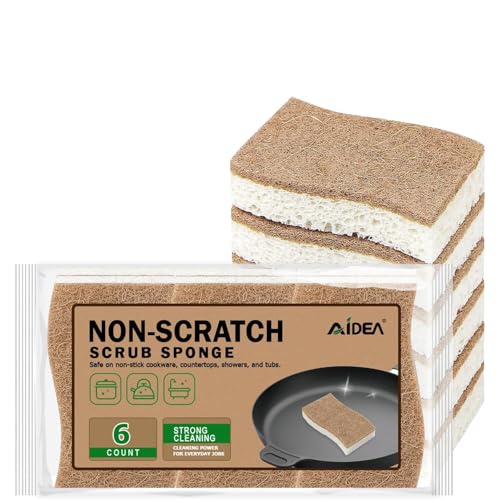
Sponges combine three things bacteria love: moisture, warmth, and organic food residue. Every time you wipe a plate you push grease, proteins, and starches deep into the foam, where they feed microbial growth for days. A sponge that smells sour is not just unpleasant, it is a signal that colonies of odor-producing bacteria have taken over. Non-scratch cellulose sponges like the AIDEA Non Scratch Scrub Sponge hold water longer than open-cell scouring pads, so they need more attention.
The Daily Rinse-and-Wring Habit
The single most effective thing you can do is deprive the sponge of moisture between uses. After each washing session, rinse it under hot running water until the water runs clear, then squeeze it as dry as you can. Store it somewhere with airflow, such as a slotted caddy or over the faucet neck, never flat in a puddle at the bottom of the sink. A sponge that dries fully overnight harbors far fewer live bacteria by morning.
Deep-Sanitizing Methods That Work
- Microwave method: Soak the sponge until saturated, then microwave on high for two minutes. Wet sponges reach steam temperatures that kill over 99 percent of bacteria. Never microwave a dry sponge or one with metal scrubbing mesh.
- Dishwasher cycle: Run the sponge on the top rack through a full hot cycle with a heated dry. This is ideal for dishwasher-safe options such as the Scotch-Brite Odor Resist sponge.
- Bleach soak: Mix three-quarters cup of bleach into one gallon of water, soak for five minutes, and rinse thoroughly.
- Vinegar soak: A five-minute soak in full-strength white vinegar reduces bacteria for those who prefer to avoid bleach.
When to Just Replace It
No cleaning method restores a sponge forever. Once foam starts falling apart, smells return within hours of sanitizing, or you have used it for more than two weeks, replace it. Buying in bulk, such as a 24-count pack, makes frequent swaps painless and cheap at roughly 30 cents per sponge.
Tips
- Keep separate sponges for dishes and for wiping counters to avoid cross-contamination.
- Color-code your sponges so no one grabs the raw-meat sponge for glassware.
- Sanitize daily if you cook with poultry or eggs regularly.
- Switch to a Scotch-Brite Greener Clean plant-based sponge if you want a more sustainable option that still scrubs.
Frequently Asked Questions
How often should I sanitize my kitchen sponge?
Sanitize at least every two to three days, and daily if you handle raw meat. Sanitizing does not replace the daily rinse and dry, which remains your first line of defense.
Does microwaving a sponge really work?
Yes, but only if the sponge is thoroughly wet. Two minutes of steam heat kills the vast majority of bacteria. A dry sponge can catch fire, so always saturate it first.
Can I put sponges in the dishwasher?
Most cellulose and non-scratch sponges are dishwasher safe on the top rack. Check the packaging, since some sponges with glued foam layers can delaminate in high heat.
How long should a kitchen sponge last?
Plan on one to two weeks of use even with diligent sanitizing. If it smells or crumbles sooner, retire it immediately.
Conclusion
Clean sponges come down to three habits: rinse and wring after every use, sanitize every couple of days with heat or a soak, and replace on a regular schedule. Do those three things and your sponge becomes a tool that helps your kitchen rather than a hidden source of germs.