Key takeaways
- Choosing between brass and zinc cabinet hardware knobs is less about finding the “best” metal and more about deciding how you want your kitchen or bathroom to age. A solid brass knob can develop a richer patina, feel substantial in…
Choosing between brass and zinc cabinet hardware knobs is less about finding the “best” metal and more about deciding how you want your kitchen or bathroom to age. A solid brass knob can develop a richer patina, feel substantial in your hand, and remain serviceable for decades. A zinc-alloy knob usually costs less, offers more shapes and finishes, and can be the practical choice when you expect to update the room or replace hardware later.
The important distinction is that “brass” and “zinc” describe the underlying material, while the visible finish may be brushed, polished, painted, lacquered, or plated. A thin brass-colored coating over zinc will not wear like solid brass. For long-term performance, check the product description for terms such as solid brass, zinc alloy, finish type, screw length, and warranty rather than relying on the color alone.
Our top picks



As an Amazon Associate we earn from qualifying purchases at no extra cost to you. Ratings are shown as listed on Amazon.
Quick Verdict
Choose solid brass knobs if you want maximum longevity, a heavier feel, and a finish that can often be polished or allowed to patina. Brass is especially strong for frequently used kitchens, historic homes, and long-term renovations.
Choose zinc cabinet hardware knobs when low initial cost, broad style selection, and easy replacement matter most. Quality zinc alloy can hold up well for five to 10 years in normal indoor use, particularly when the finish is properly plated and the knobs are kept dry. The finish—not just the core metal—is usually the first part to show wear.
Side by Side
| Factor | Solid Brass Knobs | Zinc-Alloy Knobs |
|---|---|---|
| Comfort | Dense, smooth, and substantial; typically feels premium in the hand | Comfortable and often lighter; shape and edge design matter more than weight |
| Durability | Very good; resists cracking and can often be refinished or polished | Good for normal use; plating, mounting points, and moisture exposure determine lifespan |
| Price range | About $5–$25 per knob, with artisan styles costing more | About $1–$10 per knob; premium plated designs may cost $12 or more |
| Maintenance | Dust with a soft cloth; polish only when desired and appropriate for the finish | Use mild soap and water; avoid abrasive cleaners that can remove plating |
| Space needed | Usually 1–2 inches in diameter and about 1–1.5 inches deep | Commonly 1–2 inches in diameter and about 0.75–1.5 inches deep |
| Look | Warm, authentic, and capable of developing patina | Available in brass, nickel, black, bronze, chrome, and painted effects |
| Resale appeal | Can support a high-end or period-appropriate renovation | Neutral; good design matters more than the metal itself |
| Weight | Often approximately 2–5 ounces per knob, depending on size and construction | Often approximately 1–3 ounces per knob |
| Best for | Permanent homes, busy kitchens, traditional interiors, and patina lovers | Budget updates, rentals, trend-led rooms, and easy whole-room replacements |
Where Brass Wins
Solid brass has the advantage when long-term wear is the central concern. Brass is a durable copper-and-zinc alloy, and quality knobs made from it generally tolerate repeated pulling, twisting, and incidental impacts without the brittle feel associated with some low-cost cast hardware. A solid brass mounting base is also less likely to fail simply because the knob is used thousands of times.
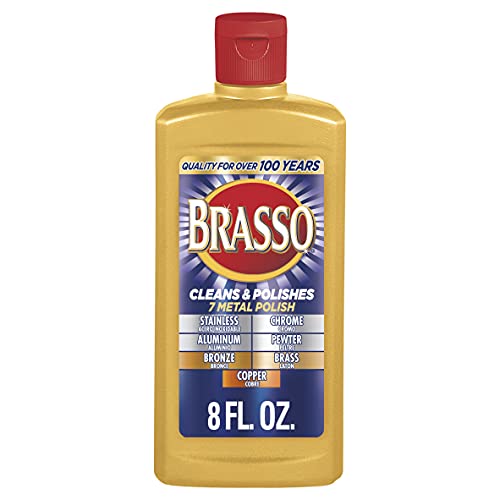
The finish gives brass another advantage. Unlacquered brass gradually darkens and develops patina from air, skin oils, and moisture. That change is not automatically damage; many homeowners consider it part of the material’s character. If you prefer a brighter appearance, a suitable metal polish can restore some shine. For example, Brasso Multi-Purpose Metal Polish for Brass & Chrome, 8 oz, is priced around $4.98 and is designed for metal-polishing tasks. Always confirm that a polish is safe for the specific finish: aggressive polishing can strip lacquer or a thin plated surface.
Brass also tends to feel more intentional in a high-use room. A substantial knob can make an inexpensive cabinet box feel better finished, particularly when the hardware is correctly sized. A common kitchen knob diameter is 1.25 inches, while larger 1.5- to 2-inch knobs may be easier to grip for people with limited hand strength. Solid brass can support these larger forms without feeling flimsy.
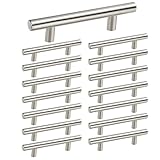
For a warm contemporary or traditional kitchen, a product such as the khtumeware 10 Pack 5 Inch Hole Center Brushed Brass Cabinet Pulls, listed around $45.99, illustrates the appeal of a coordinated brass look. Pulls and knobs should match in finish and visual weight, although the product’s construction and care instructions still matter more than the word “brass” in the name.
Brass is not maintenance-free. Lacquered brass can eventually show dull spots or wear through at the finger-contact area. Unlacquered brass may become unevenly dark near a sink or cooktop. These are manageable issues, but buyers should choose brass because they like how it ages—not because they expect it to look factory-new forever.
Where Zinc Cabinet Hardware Knobs Long Term Wear Wins
Zinc alloy wins on flexibility and replacement cost. Manufacturers can cast it into detailed shapes, wide backplates, and oversized decorative forms at a lower price than solid brass. It is also easy to find in finishes that imitate brass, bronze, chrome, or brushed nickel, making it useful when you want to coordinate with faucets and appliances without paying for every piece in solid metal.
In a normal dry interior, a well-finished zinc knob can provide years of reliable service. The practical limitation is surface wear. Plated or painted finishes may lose color where fingers repeatedly touch the knob, where rings strike the surface, or where cleaning chemicals accumulate. Once the coating is damaged, moisture can accelerate discoloration or corrosion of the underlying alloy.
Care makes a meaningful difference. Wipe zinc hardware with a damp microfiber cloth and a small amount of mild dish soap, then dry it. Avoid scouring powders, steel wool, bleach, ammonia-heavy products, and soaking. Do not use brass polish on a brass-look zinc knob unless the manufacturer explicitly approves it. A cleaner that is safe for solid brass may remove a decorative coating from zinc.
Zinc is also a sensible choice when you want to experiment. A 10-pack of basic brushed nickel cabinet knobs can cost about $9.99, compared with a higher price for many solid-brass sets. That lower commitment can be valuable in a rental, starter home, laundry room, or secondary bathroom. Keep in mind that the price alone does not reveal quality: inspect the threads, mounting screw, finish consistency, and whether the knob has a solid or hollow feel.
Cost Over 5 Years
Consider a kitchen with 24 knobs. A budget zinc set at $1–$3 each costs roughly $24–$72 initially. A midrange zinc set at $4–$8 each costs $96–$192. Solid brass at $7–$15 each costs approximately $168–$360, before tax and installation.
Over five years, the least expensive option is not always the lowest total cost. If budget zinc hardware remains attractive for the full period, its total is simply the purchase price. If the finish wears badly after two or three years and you replace the set once, the five-year cost becomes about $48–$144 for basic zinc or $192–$384 for midrange zinc. A solid-brass set may need only occasional cleaning and no replacement, leaving its estimated five-year cost near $168–$360.
These are planning ranges, not performance guarantees. High humidity, salty air, harsh cleaners, and constant use can shorten the life of any finish. Installation also matters: loose screws allow the knob to wobble, enlarging the hole and stressing the mounting point. Tighten hardware carefully and use the supplied screw length or a compatible replacement.
Which One for Your Home
Small Apartment
Zinc is often the sensible choice for a small apartment, especially if the kitchen has standard-size doors and drawers and you want a quick visual update. Choose a finish with a protective coating and a simple shape that can be replaced easily. Solid brass is worthwhile if the hardware is a prominent design feature or you expect to stay for many years.
Family With Kids or Pets
Prioritize rounded edges, a comfortable grip, and secure mounting over a particular metal. Solid brass has an edge for repeated use and impact, but a well-made zinc knob can perform well when cleaned gently. Brushed or satin finishes often disguise fingerprints and small scuffs better than highly polished surfaces.
Rental
Zinc usually delivers the best value for a rental. A coordinated 10- or 20-piece set is inexpensive to install and easy to replace if a knob is lost or damaged. Store the original hardware so you can restore the cabinets later. Avoid paying a premium for solid brass unless the lease permits upgrades and the property’s overall finishes justify it.
Long-Term Home
Solid brass is the stronger long-term design decision when you like its warmth and are comfortable with patina or occasional maintenance. Match the knob’s scale to the cabinet: roughly 1.25 inches suits many standard doors, while drawers wider than 24 inches may be more comfortable with a pull. The goal is a durable, cohesive installation rather than simply the heaviest hardware.
FAQ
Does solid brass last longer than zinc alloy?
Usually, yes, particularly when comparing solid brass with zinc hardware that has a thin decorative coating. Brass is more repairable and can often be polished or refinished. Quality zinc alloy can still last many years indoors, but its visible finish may wear before the body of the knob fails.
Can brass cabinet knobs rust?
Brass does not rust like iron or steel, but it can tarnish, darken, or develop greenish oxidation in prolonged moisture. Wipe it dry near sinks and avoid leaving cleaners on the surface. Lacquered brass resists change longer, while unlacquered brass is intended to age.
Are zinc knobs safe in a kitchen?
Yes. Zinc-alloy knobs are suitable for ordinary kitchen use when the finish is intact and the hardware is kept dry. Do not use abrasive or strongly chemical cleaners, and replace hardware if the plating is flaking, the mounting point is cracked, or corrosion is spreading.
Is heavier cabinet hardware better?
Not necessarily. Weight can signal a denser material and create a premium feel, but comfort, smooth edges, secure threads, and the correct projection—often about 1 to 1.5 inches—matter just as much. A well-shaped lightweight knob may be easier to use than an oversized, heavy one.
For 2026 renovations, the most dependable rule is simple: buy solid brass when you want hardware to age as part of the home, and buy zinc when affordability and easy style changes matter more than a decades-long finish.